
What Is a 3PL Logistics Provider? A Guide for Manufacturers
Get a clearer view of your manufacturing logistics before an urgent shipment, supplier delay, or capacity gap threatens production. A 3PL partner can coordinate transportation and related supply chain work so your team can stay focused on operations.
Get a Quote to evaluate 3PL support for your manufacturing logistics.
What is a 3PL logistics provider? It is an outsourced partner that manages logistics activities such as transportation, warehousing, and order fulfillment. The right provider connects these functions, improves visibility, and helps manufacturers respond to changing freight requirements. Learn how 3PL and supply chain management support manufacturers.
The scope of that partnership depends on your network, shipment requirements, and internal resources. It may include coordinating suppliers and carriers, managing storage or cross-docking, and supporting time-critical freight. Understanding the provider’s role is the first step toward choosing a logistics model that protects throughput and production uptime.
What Is a 3PL Logistics Provider?
What is a 3PL logistics provider? It is an outsourced partner that manages transportation, warehousing, order fulfillment, and related supply chain activities for a manufacturer under an agreed service arrangement.
A 3PL extends a manufacturer’s logistics capability without requiring the manufacturer to manage every carrier, facility, shipment, or fulfillment step internally. The provider may coordinate inbound materials, outbound freight, storage, transloading, and delivery execution. The exact scope depends on the manufacturer’s operating requirements and the services defined in the agreement.
In practice, the 3PL often sits between the manufacturer and its suppliers or customers. It coordinates information and physical movement across those relationships. That intermediary role can simplify communication and give operations leaders one accountable logistics partner. The provider does not replace the manufacturer’s production decisions. It executes the logistics work needed to support them. See Load One’s 3PL and supply chain management approach for a broader view of this relationship.
What Does a 3PL Manage?
A contract should identify the activities transferred to the provider, the performance expectations, and the responsibilities retained by the manufacturer. Common 3PL responsibilities fall into the following categories.
- Planning and coordinating transportation from suppliers, plants, warehouses, and customers
- Managing warehousing, cross-docking, inventory handling, and order fulfillment
- Coordinating carriers, shipment details, delivery appointments, and exceptions
- Providing shipment information and operational communication to the manufacturer’s team
This structure allows manufacturers to assign defined logistics activities to a specialist while keeping control of their broader supply chain strategy. It also creates a clear basis for reviewing service quality and adjusting the relationship as requirements change.
3PL vs. 4PL: What Is the Difference?
The difference is the level of control and coordination outsourced. A 1PL generally manages logistics directly with its own resources. A 2PL typically provides a specific transportation or infrastructure service. A 3PL manages an outsourced package of transportation and logistics activities. A 4PL generally operates at a broader orchestration level, coordinating multiple logistics providers and supply chain functions.
| Provider level | Primary role | Typical scope |
|---|---|---|
| 1PL | Owns and moves its own freight | Direct transport with internal resources |
| 2PL | Provides a specific transport or infrastructure service | Carrier or facility service |
| 3PL | Manages an outsourced package of logistics activities | Transportation, warehousing, fulfillment |
| 4PL | Orchestrates multiple providers and functions | Network-wide supply chain coordination |
These labels describe a useful outsourcing ladder, not a universal operating model. A manufacturer may use more than one level at the same time. For example, it could retain production planning, contract with a 3PL for transportation and warehousing, and use a 4PL-style lead partner for network-wide coordination. The right model depends on the complexity, control requirements, and accountability the manufacturer needs.
For manufacturers, the practical question is not which label sounds most advanced. It is which logistics scope should be transferred, how performance will be measured, and who will coordinate the work each day.
How Third-Party Logistics Works in Practice
For a manufacturer, the relationship usually begins when inbound logistics becomes too complex to manage efficiently with internal resources. More suppliers, shipment types, delivery windows, and production requirements create coordination work that extends beyond booking trucks. Research from NC State identifies this growing inbound-logistics complexity as a common reason companies turn to 3PL partners.
What happens during a normal shipping cycle?
A 3PL becomes an operating extension of the manufacturer’s logistics team. The provider works from agreed service requirements, shipment data, and delivery priorities. A typical shipping cycle flows through the following steps.
- Reviewing shipment requests and tendering freight to qualified carriers or available capacity.
- Coordinating pickup appointments, routing details, delivery windows, and exceptions.
- Tracking shipments while they are in transit and communicating status changes.
- Managing delays, rejected pickups, missed appointments, and other service disruptions.
- Measuring delivery performance against agreed service expectations and reporting trends.
This workflow gives the manufacturer one coordinated point of contact. It also creates a clearer operating record. The team can review what moved, when it moved, which carriers performed well, and where process changes are needed.
How specialized expertise affects cost and performance
A 3PL can apply transportation knowledge, carrier relationships, routing discipline, and performance analysis across the manufacturer’s freight network. That specialized expertise can support cost efficiencies while improving execution. The goal is not simply to find the lowest available rate. It is to balance cost with capacity, transit requirements, reliability, and the consequences of a late delivery.
NC State research connects 3PL outsourcing with cost efficiencies and performance improvements gained through specialized logistics expertise. The result depends on a well-defined scope, usable shipment data, and regular performance reviews. A provider should be evaluated on the outcomes that matter to the plant, not only on individual load prices.
How the working relationship can expand
Many partnerships develop beyond their original assignment. A manufacturer may first outsource freight tendering, then add tracking, carrier management, warehousing coordination, or exception response. This gradual expansion is often called “scope creep.” NC State describes it as customers reshaping the 3PL’s mission over time.
Scope expansion is not automatically a problem. It can reflect trust and a genuine need for broader support. Both sides should document new responsibilities, decision rights, service measures, and communication rules as the relationship grows. That keeps the partnership accountable while allowing the 3PL to support more of the manufacturer’s logistics operation.
What Services Does a 3PL Provide?
A 3PL can manage transportation, fulfillment, warehousing, and related logistics operations through one coordinated service model. The scope depends on the manufacturer’s needs, network, shipment profile, and operating goals. Common services include the following categories.
- Transportation planning, carrier coordination, and freight management
- Warehousing, cross-docking, order fulfillment, and distribution
- Inventory control and shipment scheduling
- Shipment tracking, reporting, and logistics performance visibility
- Supply chain coordination across suppliers, facilities, and customers
Transportation and Freight Management
Transportation is often the most visible part of a 3PL relationship. A provider can coordinate pickups, deliveries, routing, carrier communication, and freight documentation. It may also manage truckload, expedited, air, cross-border, or specialized transportation based on the shipment requirements.
This support gives logistics teams one operational point of contact instead of managing every carrier relationship independently. Manufacturers can work with a 3PL partner to navigate truckload complexity and improve distribution efficiency. The right service scope should be defined clearly at the start, including responsibilities, service levels, escalation procedures, and reporting requirements.
Need help coordinating transportation across your freight network? Request a Quote and outline your shipment requirements.
Warehousing, Cross-Docking, and Fulfillment
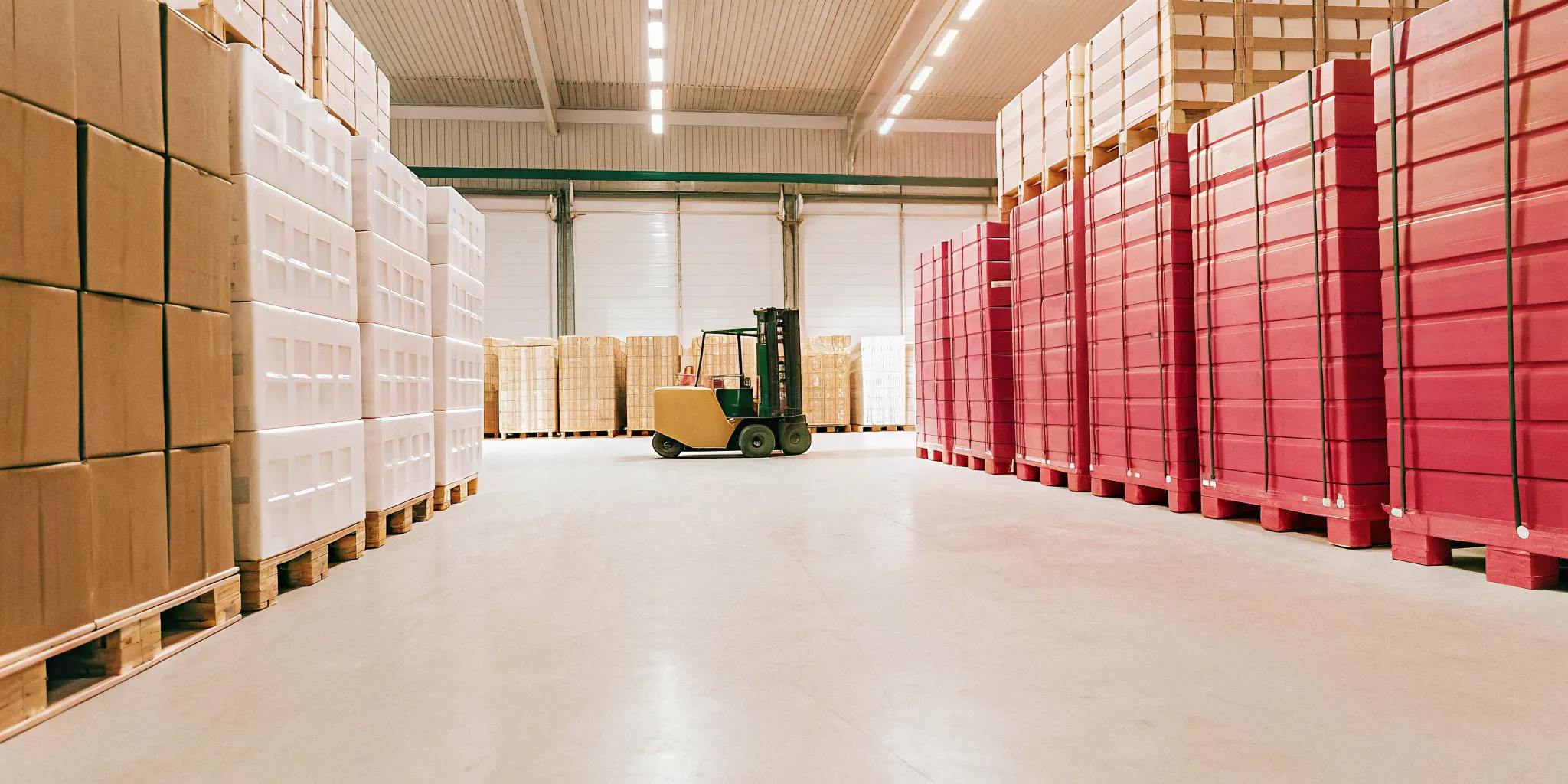
Many 3PLs provide physical logistics services that connect transportation with inventory movement. Warehousing can support storage, staging, receiving, and distribution. Cross-docking moves eligible freight through a facility with limited storage time. This can help coordinate inbound materials with scheduled outbound deliveries.
Fulfillment services may include order processing, picking, packing, shipping, and delivery coordination. A 3PL can combine these functions with transportation management so freight moves through the network with fewer handoffs. Load One identifies warehousing, cross-docking, and supply chain optimization as part of its 3PL portfolio.

Technology, Visibility, and Reporting
Technology helps a 3PL coordinate activity across shipments, facilities, carriers, suppliers, and customers. Depending on the engagement, reporting may cover shipment status, delivery performance, exceptions, inventory movement, and transportation activity.
Manufacturers can also gain access to current logistics technology without purchasing and maintaining every system internally. The value is not technology alone. Teams need usable data, clear communication, and reporting that supports timely decisions. A well-defined 3PL program connects operational information to the production and service outcomes the manufacturer needs.
When Should a Manufacturer Use a 3PL?
A manufacturer may need a 3PL when logistics demands begin to threaten production uptime, stretch internal staff, or limit distribution growth. A qualified partner can coordinate transportation, warehousing, and fulfillment while the manufacturing team stays focused on throughput.
The clearest signal is operational risk. If a late inbound shipment could stop a production line, logistics is part of the production plan, not an administrative task. A 3PL partnership can provide defined processes, broader transportation coordination, and responsive support for time-sensitive freight.
Inbound logistics also becomes harder to manage as suppliers, lanes, shipment types, and delivery requirements increase. Research from NC State identifies growing complexity in inbound logistics practices as a driver for using a 3PL partner. Read the logistics management research for additional context.
Signs You May Need a 3PL
- Production downtime is a realistic risk. Missed pickups, delayed components, or weak escalation processes could interrupt manufacturing throughput.
- Inbound logistics has outgrown internal processes. Your team is coordinating too many suppliers, carriers, delivery windows, or plant requirements to manage consistently.
- Peak-season volume creates service gaps. Seasonal spikes require more capacity, shipment monitoring, or warehouse coordination than the current team can provide.
- No dedicated logistics staff is available. Transportation decisions are spread across purchasing, operations, and plant personnel without one accountable logistics owner.
- Truckload freight is becoming difficult to navigate. A 3PL can help evaluate truckload requirements and improve distribution efficiency. See this truckload freight quotes guide for practical considerations.
- Distribution is expanding. New plants, customers, regions, or cross-border requirements may call for coordinated transportation and fulfillment support.
Outsourcing does not mean transferring every logistics decision at once. Define the activities, service expectations, escalation rules, and reporting requirements in the operating agreement. Then review performance as the network changes. This prevents the engagement from expanding informally while ensuring the 3PL supports the manufacturer’s actual production and distribution priorities.
How Load One Delivers 3PL Services for Manufacturing Clients
Manufacturers need more than a company that finds a truck. Load One combines in-house transportation assets with 3PL capabilities to coordinate time-critical freight, warehousing, cross-docking, and broader supply chain requirements. This full-service model gives operations teams one partner for planned moves and urgent disruptions.
Protecting Production Uptime in Automotive and Manufacturing
Production schedules can change quickly when a supplier shipment is delayed, a line-side delivery is missed, or an expedited move becomes necessary. Load One structures logistics support around protecting manufacturing throughput and production uptime. The solution can be tailored to the shipment, lane, timing, and operational risk instead of treating every move as a commodity transaction.
That flexibility matters for automotive, heavy equipment, and general manufacturing environments. A customer may need scheduled transportation for recurring freight, rapid response for a production interruption, or coordination across multiple modes and facilities. Load One can align those requirements through comprehensive 3PL logistics services.
Asset-Based Control With 3PL Flexibility
Load One is not a freight broker. Its asset-based fleet provides greater control and capacity over shipments, while its 3PL capabilities extend the resources available to each customer. This combination helps manufacturers avoid choosing between direct transportation control and broader logistics coordination.
For example, a shipment may require a Load One asset for an expedited move. Partner-carrier resources for additional capacity, or warehousing and cross-docking support at a specific point in the network. The operating model is built around the requirement, not a standard package. Manufacturers seeking a deeper service overview can review these 3PL logistics services for manufacturers.
Visibility, Communication, and Cross-Border Response
Manufacturing logistics teams need timely information to make decisions. Load One provides real-time shipment visibility, transparent communication, and 24/7/365 visibility with rapid emergency logistics response for critical shipments. These capabilities help teams understand shipment status and act before a transportation issue affects production.
North American supply chains may also require cross-border coordination. Load One maintains a dedicated Laredo facility to support complex US-Mexico logistics needs. That presence adds focused support for freight moving through an important cross-border region. Together, responsive operations, shipment visibility, and tailored planning give manufacturers a practical 3PL partner for routine execution and unexpected supply chain pressure.
Ready to Get a Quote for 3PL Support?
Manufacturers need logistics support that fits their freight, facilities, and production requirements. Load One can help you evaluate a practical transportation and supply chain approach for your operation. To discuss your needs and identify the right next step, Get a Quote from Load One. Share your requirements through the contact form, and the team can respond with guidance tailored to your logistics goals.
Frequently Asked Questions
How does a 3PL support a manufacturer’s daily logistics?
A 3PL coordinates selected logistics activities, such as transportation, warehousing, order fulfillment, and supplier-related movement. The manufacturer defines the required scope, service levels, and communication process. The provider then manages the assigned work and reports performance, allowing internal teams to focus on production and customer commitments. Load One’s logistics services can be tailored to the manufacturer’s operating requirements.
What services should manufacturers expect from a 3PL?
Services may include freight planning, carrier coordination, truckload support, warehousing, cross-docking, inventory movement, fulfillment, shipment tracking, and supply chain reporting. The right mix depends on the manufacturer’s network and constraints. A 3PL can also provide access to logistics technology without requiring the manufacturer to purchase and maintain every system independently, according to North Carolina State University’s supply chain research. Read the research.
Should a manufacturer choose an asset-based or non-asset-based 3PL?
That choice depends on the required control, capacity, and transportation model. An asset-based provider operates equipment or a fleet directly, while a non-asset-based provider coordinates capacity through outside transportation resources. Some providers combine both models. Ask how the partner handles capacity during urgent shipments, who controls communication, and how exceptions are escalated before signing an agreement.
How can a 3PL help protect production uptime?
A 3PL can reduce logistics workload by coordinating inbound complexity, time-sensitive transportation, storage, and delivery exceptions through one operating process. Manufacturers should evaluate response coverage, visibility, cross-border capability, and escalation procedures. For urgent North American freight, Load One supports 24/7/365 visibility and rapid emergency logistics response. Learn more about its logistics capabilities.
Understanding what a 3PL does is the first step. The next step is matching the right logistics model to your freight, facilities, and production schedule. Load One can guide that decision with asset-based capacity and 3PL coordination across North America.