Load One vs Landstar Owner Operator Guide
Contact Load One’s recruiting team before you compare carrier partnerships, then review the Owner-Operator and Fleet Owner Opportunities: Why Load One Is a Different Kind of Carrier Partnerowner-operator opportunities. The right fit depends on more than a headline pay model. Your equipment, preferred freight, dispatch expectations, operating costs, and need for support all affect the decision.
When evaluating load one vs landstar owner operator options, compare the operating structure, contract terms, dispatch process, freight access, technology, and day-to-day support. Load One describes a full-service, asset-based expedite model supported by partner carriers, while Landstar candidates should verify current policies and terms directly. Neither model should be judged by an earnings promise.
This comparison separates documented company information from details that belong in a current contractor packet. Start with how each carrier relationship is structured, because that foundation shapes your independence, responsibilities, and access to operational support.
How Do Landstar and Load One Differ as Carrier Partners?
Landstar and Load One present different operating models for independent drivers. Landstar describes its owner-operators as Business Capacity Owners, or BCOs, who work within an agent, owner-operator, and carrier network. Load One combines company-controlled equipment with partner-carrier and third-party logistics capabilities, creating an asset-based expedited model.
In practical terms, the comparison is less about which name is better and more about how much control, freight specialization, and operational support fit your business. Review the Owner-Operator and Fleet Owner Opportunities: Why Load One Is a Different Kind of Carrier PartnerLoad One asset-based fleet model alongside Landstar’s current contractor materials before making a decision.
What does Landstar’s network model involve?
Landstar says its independent BCOs have 24/7 access to a load board and operate under a 100% non-forced-dispatch model. Its recruiting materials also describe loads offered through more than 1,000 independent agencies across North America. That structure may appeal to operators who place a high value on selecting freight and deciding when to haul.
Landstar also states that it supports operators with business and safety classes, plus a cost-savings program covering categories such as tires, fuel, equipment, and business services. These are Landstar’s published program descriptions. Candidates should confirm current availability, eligibility, and terms directly with the company.
How does Load One’s asset-based model differ?
Load One is a full-service expedite carrier founded in 2003. It owns and controls equipment while working with more than 70 partner carriers. Its documented fleet includes sprinter vans, cargo and cube vans, straight trucks, tractor-trailers, and specialized equipment.
Load One focuses on time-critical and emergency freight for automotive, manufacturing, and heavy-equipment customers. Its coverage spans the contiguous United States, Canada, and Mexico. The company states that independent owner-operators receive technology support and fair compensation, but it does not publish a universal compensation formula in the available materials.
- Choose the Landstar model if freight choice and non-forced dispatch are central priorities.
- Explore Load One if expedited freight, asset-backed operations, and time-critical industries match your equipment and experience.
- For either carrier, request current contractor terms, expense details, equipment requirements, and settlement policies before signing.
The strongest fit depends on your equipment, preferred freight, and desired operating relationship. Compare the written agreement with your business plan, not only the recruiting headline.
How Does Each Model Pay Owner-Operators?
Compensation structure matters more than a headline rate. In a load one vs landstar owner operator comparison, candidates should examine how revenue is calculated, which expenses are deducted, and when settlement occurs. Load One describes fair compensation but does not publish a universal formula. Landstar recruiting material describes percentage-based pay. Current contracts control.
| Area | Load One | Landstar |
|---|---|---|
| Published structure | Load One states that independent owner-operators receive technology support and fair compensation. Its public owner-operator information does not define a single pay formula. Review Load One owner-operator information. | Landstar recruiting material describes a percentage pay model in which revenue changes as rates change. A third-party page also describes pay as a percentage of load revenue rather than cents per mile. Those descriptions should be verified against current Landstar documents. |
| What may affect the calculation | Ask how the agreement treats equipment, freight type, operating expenses, deductions, accessorials, and other settlement adjustments. Load One does not publish these terms as a universal schedule. | The third-party description says the percentage can depend on trailer type and whether Landstar or the BCO owns the trailer. Landstar’s current contract and settlement statement should take priority over recruiting or third-party language. |
| What candidates should confirm | Request the current contractor packet. Confirm deductions, reimbursable expenses, settlement timing, accessorial procedures, and the documents used to calculate each settlement. | Ask for the current contract and a sample settlement explanation. Confirm deductions, expense responsibility, settlement timing, accessorial treatment, and how equipment ownership changes the calculation. |
Landstar’s percentage language comes from recruiting and third-party material, not a substitute for the agreement you would sign. Load One’s fair-compensation statement is also not a promise of guaranteed earnings or loads. Take-home results depend on contract terms, expenses, equipment, lanes, and utilization. Compare those operating details before choosing a partner.
How Do Dispatch, Load Availability, and Lane Options Compare?
Landstar describes a non-forced dispatch model, 24/7 load-board access, and freight choice through its independent BCO network. Load One operates a 24/7/365 expedited transportation network supported by company equipment, independent operators, and partner carriers. The practical difference is the operating model, not a promise that either company guarantees a specific driver load or income.
Landstar’s current owner-operator materials state that BCOs can review available freight through its load board and choose what and when to haul. Landstar also says its network includes agents, owner-operators, and carriers, with loads offered by more than 1,000 independent agencies throughout North America. These are Landstar’s stated features. Candidates should verify current access rules, dispatch procedures, and lane availability before signing a contract.
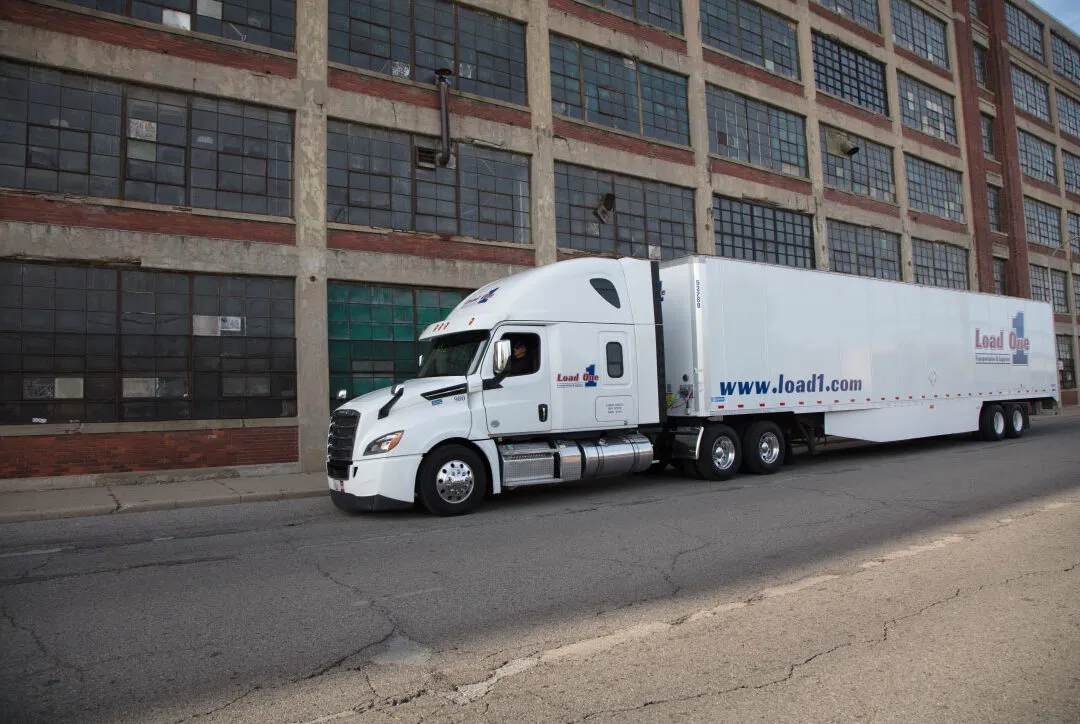
Load One’s model centers on time-critical freight. Its ground expedite operation supports same-day, next-day, and two-day delivery options with dispatch and support available 24/7/365. The company documents an equipment mix that includes sprinter vans, cargo and cube vans, straight trucks, tractor-trailers, and specialized equipment. It also works with a network of more than 70 partner carriers while controlling its own equipment.
- Dispatch preference: Landstar publicly emphasizes non-forced dispatch and operator-selected freight. Load One emphasizes continuous dispatch coverage for expedited customer requirements.
- Lane profile: Landstar says its agencies offer freight throughout North America. Load One reports coverage across the contiguous United States, Canada, and Mexico, including time-critical and emergency freight in automotive, manufacturing, and heavy equipment.
- Operational visibility: Load One uses real-time GPS and satellite tracking, AI-based route optimization, a mobile tracking application, and in-house EDI capabilities.
Review the ground expedite operations that may fit your equipment and preferred freight profile. Then ask recruiting for current details on dispatch assignment, available lanes, cross-border requirements, deadhead expectations, and contractor terms. Those answers matter more than a general load-board or coverage claim.
What Support and Culture Should an Owner-Operator Expect?
Support can shape an owner-operator’s daily experience as much as freight choice or compensation structure. Landstar presents its model around independence, calling owner-operators Business Capacity Owners and emphasizing the freedom to be their own boss. It also says its network provides support throughout the partnership. Load One presents a different support profile, centered on technology, fair compensation, and experienced transportation management.
Answer: Landstar’s stated culture emphasizes independence, freight choice, classes, and network support. Load One emphasizes technology support, fair compensation, and operational experience. Neither positioning replaces a current contractor agreement. Ask each recruiting team how support works in practice, what training is available, and which costs or responsibilities remain yours.
What does Landstar say it provides?
Landstar states that it supports operators with business and safety classes, along with an exclusive cost-savings program. Its LCAPP program is described as offering discounts on tires, fuel, equipment, and business services. These programs may matter to an operator who wants structured resources while retaining control over business decisions.
Landstar also frames its culture around freedom. Its owner-operator materials state that BCOs can choose the freight they haul and describe the arrangement as being one’s own boss. Those are Landstar’s stated benefits, not a personal review or a guarantee of a particular experience. Candidates should confirm eligibility, program terms, and current availability directly with Landstar.
How does Load One approach support?
Load One states that independent owner-operators receive technology support and fair compensation. Its public materials also report more than 400 years of combined transportation-management experience. That depth may be relevant for operators who value access to an established operations team, especially when time-critical freight requires clear communication and dependable coordination.
Load One also documents TIA Platinum Provider and border-compliance credentials. Its technology and service capabilities are outlined on the Load One technology and services page. Before choosing either partner, ask for the current contractor packet, support contacts, training details, settlement terms, and a clear explanation of how dispatch and problem resolution are handled.
The better fit depends on the kind of independence and support you want. Compare written policies, not slogans. Ask how each company measures communication quality, supports equipment issues, and helps operators manage compliance and customer requirements.
Who Should Choose Load One vs Landstar for Owner Operator Work?
Choosing between Load One and Landstar depends on how you want to operate, not on a universal ranking. Load One may fit an owner-operator who values expedited freight, structured operational support, and a carrier model that combines company equipment with partner capacity. Landstar may fit an operator who places greater emphasis on selecting freight and controlling when to haul, based on its public description of non-forced dispatch and 24/7 load-board access.
For operators comparing load one vs landstar owner operator opportunities, start with your equipment and preferred freight. Load One documents opportunities connected to sprinter vans, cargo and cube vans, straight trucks, tractor-trailers, and specialized equipment. Its primary focus includes automotive, manufacturing, heavy equipment, and time-critical or emergency freight. That focus may be relevant if you are prepared for urgent shipments and service expectations. Review Load One owner-operator opportunities for current information.
Landstar’s recruiting material says it seeks solo operators and teams with varied equipment, including vans, flatbeds, stepdecks, heavy or specialized equipment, straight trucks, and refrigerated equipment. It also describes a network of independent agencies and freight choice for its business capacity owners. Verify current equipment eligibility, lanes, contractor terms, and freight availability directly before making a decision.
Cross-border and North American work should also be part of the comparison. Load One reports coverage across the contiguous United States, Canada, and Mexico, with a 15,000-square-foot cross-border facility in Laredo, Texas. Its 24/7/365 dispatch and support availability may suit operators who want to participate in time-sensitive freight across those markets. Load One reports more than 400 years of combined transportation-management experience, but that figure does not guarantee any individual operator’s support or results. Learn more through the Load One company background.
Questions to verify before signing
- Which equipment types, age limits, and specifications are accepted today?
- How are dispatch, load selection, deadhead, layover, detention, and cancellations handled?
- What compensation formula, deductions, insurance costs, settlement timing, and fuel policies appear in the current contract?
- Who supports urgent freight, breakdowns, border issues, and after-hours communication?
- Which lanes and cross-border requirements match your authority, equipment, and operating plan?
Request the current contractor packet and settlement examples from either company. Compare the complete terms with your operating costs, preferred level of independence, and tolerance for expedited service demands before signing.
Contact Load One recruiting for current owner-operator opportunities.
Frequently Asked Questions
Is Load One good for owner-operators compared with Landstar?
That depends on how you want to operate. Load One suits drivers interested in time-critical freight, structured expedited operations, technology support, and a partner-carrier model that combines company assets with outside capacity. Landstar emphasizes independent freight choice and non-forced dispatch. Review each agreement, equipment requirement, dispatch process, and settlement statement before deciding.
How much do Landstar owner-operators make?
There is no dependable universal figure. Results depend on freight rates, equipment, miles, operating costs, utilization, and the terms of the current contract. Landstar recruiting material describes a percentage-based model, but it does not establish what any individual operator will earn. Request current settlement examples and ask which deductions and accessorial payments apply.
Does Load One guarantee loads or owner-operator income?
No. Load One describes customer capacity and service commitments, but those statements are not guarantees of driver earnings or individual load availability. Ask recruiting how freight is offered, how empty miles are handled, what equipment is needed, and how slow periods are managed before signing.
What should I compare before choosing a carrier partner?
Compare the pay formula, deductions, dispatch authority, freight selection, home-time expectations, equipment standards, technology, maintenance responsibilities, insurance, and contract termination terms. Also confirm the operating area. Load One reports coverage across the contiguous United States, Canada, and Mexico, including cross-border operations through its Laredo facility: Load One company background.
Ready to Review Load One Opportunities?
Choosing a carrier partner depends on your equipment, freight preferences, operating style, and support needs. Review the current details before deciding whether Load One fits your goals.
Contact the recruiting team to discuss current opportunities.