

Warehousing Distribution Services
Get control of the handoffs that keep materials moving. For transportation managers and logistics directors, a warehouse is not just a place to store inventory. It is part of the operating plan that protects production uptime, order accuracy, and dependable delivery. Start with Load One’s 3PL and supply chain management guide for manufacturers to see how warehousing fits a broader logistics plan.
Get a Quote for warehousing and distribution services.
Strong warehousing and distribution services connect receiving, organized storage, inventory management, order fulfillment, and transportation coordination in one accountable process. The right partner should also provide clear communication, scalable capacity, and the operational discipline needed when demand or delivery requirements change.
That evaluation starts by separating basic storage from the complete flow of goods. Understanding each stage makes it easier to identify service gaps and assess risk. It also helps you determine whether a prospective logistics partner can support your network beyond a single shipment or facility.
What Do Warehousing and Distribution Services Include?
Warehousing and distribution services combine the controlled storage of goods with the activities required to move those goods to the next destination. Warehousing protects inventory between supply chain steps. Distribution manages the flow from receiving through fulfillment and shipping, often with transportation coordination included. For manufacturers, the goal is a connected operating process rather than storage in isolation.
In practical terms, the service may cover facility operations, inventory management, order fulfillment, and freight movement. The right scope depends on product characteristics, order patterns, production schedules, delivery requirements, and the level of control your team wants from a logistics partner.
Receiving and storage
Receiving begins when products arrive at the facility. Staff verify the shipment, record the inventory, inspect for visible issues, and place goods in an appropriate storage location. Storage may involve palletized goods, components, finished products, or materials that require specific handling instructions.
A distribution center is primarily used to hold products before they move to retailers or direct customers. That storage function creates a controlled point between production, suppliers, and outbound delivery.
Distribution center storage supports the movement of goods before delivery.
Inventory control and order fulfillment
Inventory control keeps records aligned with the goods physically available in the facility. It can include item identification, location tracking, cycle counts, replenishment signals, and reporting. Centralized inventory management is a core component of warehousing and distribution because it supports tracking and order fulfillment.
When an order is released, fulfillment typically includes:
- Picking the correct products and quantities.
- Packing them for safe, efficient movement.
- Preparing shipping documents and labels.
- Staging the order for pickup or delivery.
These steps connect warehouse accuracy with customer service. A missed item or incorrect quantity can create production delays, rework, or an avoidable expedited shipment.
Shipping, cross-docking, and transportation coordination
Shipping moves completed orders from the facility to the required destination. Distribution partners may coordinate carrier selection, appointment scheduling, shipment status, and exception response. This coordination is especially important when delivery timing affects production uptime or customer commitments.
Cross-docking is a different operating model from conventional storage. Incoming freight is transferred to an outbound vehicle or staging lane with limited dwell time, reducing unnecessary handling and storage. A provider may combine storage, cross-docking, and transportation support within a broader full-service logistics capabilities model.
For manufacturers, the strongest solution is not simply more warehouse space. It is a connected process that gives teams control over inventory, fulfillment, and delivery from receipt through final shipment.
How Should You Evaluate a Warehousing Provider?
Evaluate a warehousing provider against the operating demands that affect production uptime, not storage space alone. The right partner should fit your facilities and freight profile, support inventory and fulfillment, and scale with volume. It should maintain safe operations, communicate clearly, respond to disruptions, and connect warehousing decisions with transportation execution.
- Confirm facility and network fit. Review location, dock access, handling capabilities, hours, security controls, and proximity to plants, suppliers, customers, ports, or border crossings. Strategic storage locations can influence distribution lead times, so assess the provider’s network against your actual lanes and replenishment requirements. Maersk identifies strategically located storage facilities as a key part of supply chain management.
- Define the full service scope. Ask whether the provider handles receiving, putaway, inventory control, picking, packing, shipping, returns, kitting, cross-docking, and transportation coordination. Clarify which activities are performed by the provider and which require another vendor. A partner that coordinates the complete flow can reduce handoff risk. For a broader manufacturing-focused model, review 3PL logistics services for manufacturers.
- Test scalability before you need it. Discuss seasonal surges, new product launches, plant expansions, emergency storage, and changes in order profiles. Scalable warehousing lets businesses adjust capacity as operating needs change and can support growth without requiring the same level of fixed infrastructure investment. Require a clear process for adding space, labor, shifts, and transportation capacity.
- Review safety and compliance discipline. Ask for documented operating procedures, employee training, incident reporting, cargo handling controls, and a process for staying aligned with applicable requirements. Transportation and warehousing include storage, cargo movement, and related support activities. Safety and compliance should therefore be evaluated as core operating responsibilities, not paperwork after the contract is signed.
- Set communication and visibility expectations. Establish who owns daily communication, which events trigger an escalation, and how inventory, order, and shipment status will be shared. Review reporting cadence, response channels, and exception ownership. Your team should know quickly when a receiving issue, inventory variance, missed pickup, or delayed order threatens production.
- Examine contingency response and transportation integration. Ask how the provider handles weather, equipment shortages, labor constraints, border delays, urgent parts, and sudden changes in demand. Confirm that warehouse staff and transportation teams can coordinate one recovery plan. An integrated partner should be able to align storage, cross-docking, expedited freight, and final delivery rather than leaving your team to manage disconnected handoffs.
Use the scorecard during site reviews and proposal comparisons. Weight the criteria that most directly protect uptime, then require specific answers, named owners, and measurable service definitions before selecting a partner.
Which Technology Supports Inventory and Shipment Control?
A warehouse management system (WMS) gives teams a structured way to record receiving, storage, picking, fulfillment, and shipment activity. Barcode or scan discipline then connects physical handling with digital records. Together, these controls help logistics leaders see what is available, where it is located, what has been ordered, and what requires attention.
Inventory management and order fulfillment are core components of warehousing and distribution services. They depend on accurate records and consistent operating procedures, not on software alone. Inventory management and order fulfillment should therefore be evaluated as connected processes. Receiving teams need to scan or otherwise verify inbound goods. Pickers need to confirm the correct item and quantity. Shipping teams need a final check before freight leaves the facility.
What should the system make visible?
Useful technology turns each handoff into a status that can be reviewed. A logistics manager should be able to distinguish between inventory received, inventory available, an order being picked, an order packed, and a shipment in transit. That visibility supports better decisions when production schedules change or a delivery needs priority handling.
Exception alerts are equally important. A missing scan, quantity discrepancy, delayed order, or shipment that has not progressed should create a clear action for the responsible team. Alerts should support communication and escalation. They should not become a stream of notifications without ownership.
- WMS records: Maintain item locations, movement history, order status, and fulfillment activity.
- Barcode or scan controls: Verify physical handoffs and reduce manual entry errors.
- Exception management: Flag discrepancies, delays, and incomplete steps for follow-up.
- Shipment visibility: Connect warehouse events with transportation status and delivery updates.
- System integration: Share relevant order and shipment information with the customer, carrier, or planning workflow.
Load One places real-time shipment visibility at the center of its operations. For a manufacturer, the practical test is whether the technology supports timely answers: what moved. What is delayed, who owns the next action, and how the issue may affect production uptime. Choose a partner that can connect warehouse control with dependable transportation communication.
What Drives the Cost of Third-Party Warehousing?
Third-party warehousing costs depend on the work required to receive, store, manage, prepare, and move your inventory. Space is only one part of the calculation. Handling frequency, service complexity, transportation requirements, seasonal demand, and contract structure all affect the final proposal. Because every operation has different inventory and service needs, pricing is custom and quote-based.
A distribution operation commonly includes receiving, storage, picking, packing, and shipping. Each activity can require different labor, equipment, systems, and coordination. The cost drivers below can help you prepare a more accurate scope before requesting a quote.
| Cost driver. | What to evaluate. | Why it matters. |
|---|---|---|
| Space. | Inventory footprint, storage conditions, location, and required capacity. | Determines how much facility capacity your operation uses. |
| Receiving and handling. | Inbound frequency, unload requirements, pallet handling, picking, and packing. | More touches and more complex workflows require more operational support. |
| Value-added work. | Kitting, labeling, inspection, repacking, sequencing, or other preparation. | Additional services expand the labor and process scope. |
| Transportation and accessorials. | Delivery lanes, shipment urgency, appointment requirements, and special handling. | Movement beyond the facility can add coordination and service requirements. |
| Volume and contract structure. | Seasonal peaks, committed capacity, flexibility, service levels, and term length. | Demand patterns and commercial terms shape the operating plan. |
Inventory management and order fulfillment are core components of modern warehousing and distribution services. Ask providers how they handle inventory visibility, exception communication, and changes in volume. A lower operating fee may not represent better value if unclear accessorials or weak transportation coordination create delays.
For manufacturers, the right scope should connect storage decisions to production schedules and delivery commitments. Review the complete service model, including receiving, cross-docking, transportation, and contingency response. Then request a detailed quote based on actual inventory profiles, shipment patterns, required services, and expected seasonal changes.
How Can Load One Connect Warehousing With Distribution?
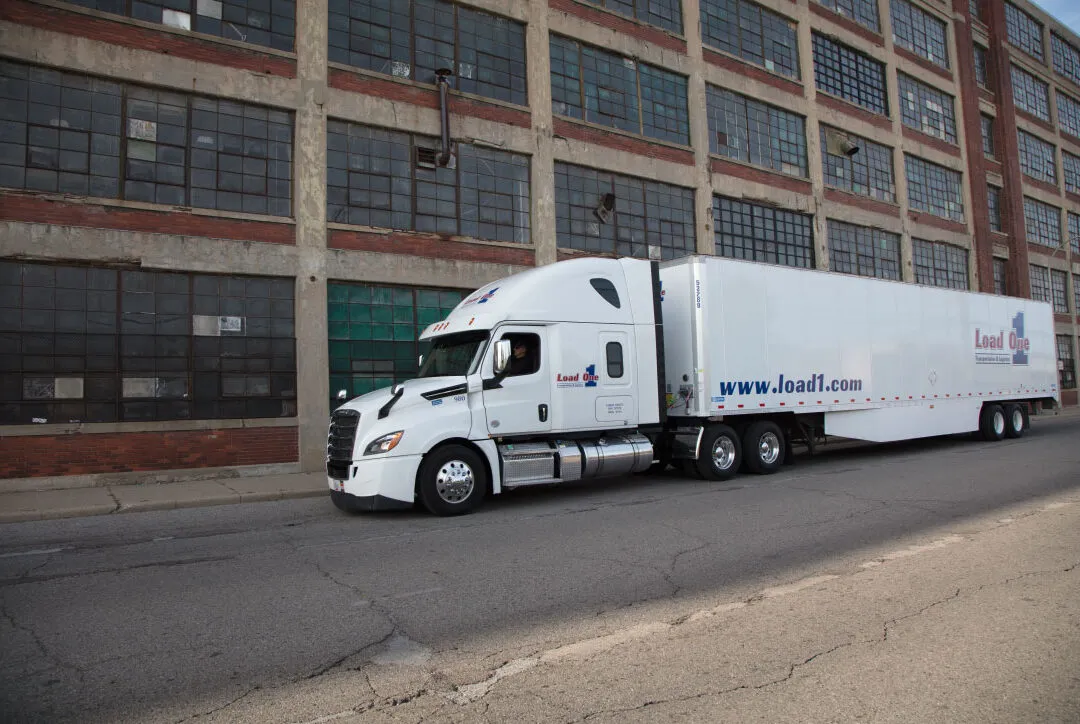
Load One connects warehousing, cross-docking, and transportation through a tailored full-service model. The approach combines storage and freight coordination with an expedited network, helping manufacturers move materials through the supply chain while protecting production uptime. It also supports complex North American movements, including cross-border requirements. This broader approach aligns with the 3PL and supply chain management framework for manufacturers outlined in the service pillar.
That connection matters when a shipment cannot be managed as an isolated warehouse activity. Receiving, staging, transfer, and delivery decisions must work together. Load One’s model is designed to coordinate those activities around the timing and operating requirements of each customer.
How does the model support production uptime?
Expedited freight is central to Load One’s service offering. When a time-critical shipment requires rapid movement, warehousing and transportation planning can be addressed together rather than handed between disconnected providers. This gives logistics teams one partner for coordinating the physical flow of goods and the transportation response.
Cross-docking can further reduce unnecessary handling and storage time. Freight arrives at a facility, is organized for its next movement, and continues toward its destination without becoming part of a long-term storage cycle. For operations using just-in-time processes, cross-docking for JIT manufacturing can be part of a broader distribution plan.
- Coordinate inbound freight with outbound distribution requirements.
- Use cross-docking when a direct transfer best fits the shipment.
- Escalate time-critical transportation needs through an expedited network.
- Maintain visibility and communication as shipments move through the plan.
How does Load One support North American movements?
Load One operates a 15,000 sq ft cross-border facility in Laredo, Texas. The facility is designed to handle complex North American supply chain movements. Its location and cross-border role can support logistics plans that involve the United States, Mexico, and Canada, while the wider network addresses transportation needs beyond a single facility.
Load One also centers real-time shipment visibility and AI-powered route optimization in its operations. Used conservatively, these capabilities help logistics teams monitor movement and make informed decisions when conditions change. They do not replace direct communication or the need for a transportation plan built around the shipment.
For manufacturers evaluating a partner, the relevant question is not whether warehousing and distribution are separate line items. It is whether the provider can connect facility activity, cross-docking, expedited transportation, and supply chain decisions in one operating model. Review Load One’s full-service logistics capabilities and supply chain management services to assess how those functions can fit your requirements.
Get a Quote before you finalize your warehousing and distribution plan.
Frequently Asked Questions
What does a distribution warehouse do?
A distribution warehouse receives goods, records inventory, stores products, and prepares orders for shipment. Its work typically includes picking, packing, and shipping. For manufacturers, the right operation also coordinates transportation so materials and finished products move reliably to the next location.
How do warehousing and distribution services work together?
Warehousing provides controlled storage and inventory management. Distribution connects that inventory to fulfillment, transportation, and delivery. Together, these functions help transportation managers coordinate order activity, shipment timing, and exceptions through one operating plan instead of managing disconnected providers.
How do you choose the right warehousing and distribution partner?
Evaluate facility location, capacity, handling capabilities, inventory controls, technology, safety practices, communication, and contingency response. Confirm that the provider can scale with volume and connect warehousing to the transportation modes your operation needs. Ask how it will protect production uptime when demand or shipment conditions change.
Can warehousing and distribution services support cross-border freight?
Yes. A partner can coordinate storage, cross-docking, documentation, and transportation across international supply chains. Load One operates a 15,000-square-foot cross-border facility in Laredo, Texas, supporting complex North American supply chain movements. Review customs coordination, handoff procedures, and shipment visibility before selecting a provider.
What information is needed for a warehousing services quote?
Provide expected inbound and outbound volumes, product dimensions, storage duration, handling requirements, order profiles, value-added services, shipping destinations, and seasonal changes. Also explain service-level expectations and transportation needs. A provider can then build a custom, quote-based solution around your actual operating requirements.
Get Started With a Warehousing and Distribution Partner
A clear review of your warehousing, distribution, and transportation requirements can help identify a model that fits your operating needs. Load One can discuss the service scope, coordination, and support your team requires across the supply chain.