Just-in-Time vs Just-in-Case Inventory Strategy Guide
Request a resilient freight plan that prevents factory shutdowns and lowers your shipping spend. Load One delivers the flexible shipping options you need to keep production runs on schedule every day. We provide the key trucks that keep your supply chain steady.
A just-in-time vs just-in-case inventory strategy choice defines how modern firms manage supply chain risk, balance warehouse storage costs, and protect their daily cash flow in North America. Just-in-Time lowers carrying costs by getting materials only as they are needed, but this lean setup needs flawless transit and reliable freight partners to avoid costly assembly shutdowns. In contrast, Just-in-Case maintains much higher buffer stocks to protect your plant uptime, although these larger warehouse stocks raise storage costs and tie up key business capital assets. A research study from Liberty University shows that JIT reduces waste but increases reliance on carrier performance, while JIC builds safety by holding extra warehouse supply stocks locally.
Both strategies have major effects on freight, warehouse operations, and costs. Finding the right fit needs a clear look at how each setup works. Let us start with the fundamentals of lean manufacturing logistics.
Just-in-time Vs Just-in-case Inventory Strategy: What Is Just-in-Time Inventory and How Does It Drive Efficiency?
Just-in-time inventory is a lean strategy where plants receive goods only as they need them. This approach helps plants cut waste and keep holding costs low. By keeping parts moving straight to the line, firms use less storage space and free up vital cash for daily work.
Core Lean Goals
A lean JIT strategy helps a plant receive parts right when they are needed. This focus on timing helps firms cut waste and free up cash by dropping idle stock. Instead of tying up money in parts that sit for weeks, plants spend less on holding costs. But this plan requires every part to arrive on time without fail.
High-volume plants use this system to keep lines running without extra warehouse space. If a vendor delays a shipment, the whole line stops at once.
Role of Transport and Logistics
JIT success depends on tight synchronization between suppliers, freight partners, and the plant floor. Because parts do not sit in a warehouse, any transit delay can halt an entire line. Fast and on-time supply chain management ensures that shipments flow smoothly. When road delays happen, quick expedited freight options must step in to protect production schedules.
What Is Just-in-Case Inventory and When Does It Make Sense?
A just-in-case inventory strategy builds supply chain resilience by keeping extra stock on hand. This buffer protects production lines from sudden supplier delays, material shortages, and shipping disruptions. The approach serves as insurance against sudden market shifts. It makes the most sense for firms in volatile industries or those where even a short delay is extremely costly.
Protecting production continuity
Holding safety stock helps companies protect production continuity when supply chains become volatile. If a vendor fails to deliver on time, the buffer stock keeps assembly floors running smoothly. This method is highly useful in sectors like automotive and heavy manufacturing. In these fields, stopping a factory floor for even one hour can lead to severe financial damage.
The costs of holding buffer stock
While storing extra parts protects against disruptions, it also raises inventory carrying costs. This model needs a larger capital investment, which reduces cash flow compared to lean setups. Businesses must use smart logistics services to balance storage fees against the risk of parts shortages. Handling this balance ensures that firms do not lock up too much cash in idle goods.
JIT vs. JIC: How Do These Inventory Strategies Compare?
A just-in-time vs just-in-case inventory strategy choice dictates how a business handles stock, costs, and risk. Just-in-time cuts waste and frees capital by keeping stock levels low. Just-in-case values safety, keeping large buffer stocks to prevent plant shut-downs when parts run late.
Weighing cost against downtime
Choosing between these methods needs you to check your risk. The shift from Just-in-Time to Just-in-Case shows that many firms now want strong setups after recent global delays. To find the right balance, you must look at how likely delays are and how they hit your plant.
The total cost of supply chain failure can be huge. You must weigh lost production and unhappy clients against your holding costs. True protection needs a smart plan that balances the lean path with the cost of downtime.
Hybrid inventory models
These two paths are not your only choices. A hybrid model can combine lean speed with safety. Your best strategy depends on your risk level, industry needs, and budget for supply delays. Weighing these options helps leaders build a robust supply chain management plan.
| Inventory Parameter | Just-in-Time (JIT) | Just-in-Case (JIC) |
|---|---|---|
| Inventory levels | Low or none | High buffer stock |
| Holding costs | Minimal carrying costs | High storage costs |
| Supplier dependency | Extreme | Low to moderate |
| Disruption vulnerability | High risk | Protected and low risk |
| Capital requirements | Low capital tied up | High capital tied up |
| Best use case | Stable demand industries | Volatile or critical supply |
How Did the Pandemic Reshape Inventory Strategy Decisions?
The COVID-19 pandemic exposed deep gaps in lean supply chains, prompting many firms to rethink their just-in-time vs just-in-case inventory strategy. Sudden border closures and factory shutdowns proved that pure efficiency cannot withstand global disruptions, forcing a shift toward holding more safety stock. This shift has redefined how logistics managers plan for long term risk.
Vulnerability of overly lean models
Before the pandemic, many firms focused solely on cost cuts. However, large-scale disruptions showed the risks in these lean supply chains. Overly lean setups can increase weakness when global routes face extreme stress. Factories often lack the buffer stock to handle sudden delays. Without backup parts on hand, plants must halt work within hours when global shipping slows.
The need for safety buffers
A lack of buffer stock makes it hard to handle sudden supply gaps or rapid demand shifts. Modern supply chain management now favors hybrid setups. By adding safety stock, firms can protect their production lines from costly stops. This balance helps keep plants open and cargo moving when shocks hit the market. It also gives firms time to react during a crisis.
How Do Freight Partners Support Both JIT and JIC Models?
Agile freight partners support both models by matching their assets to customer needs. Just-in-Time (JIT) setups rely on rapid ground expedite options to prevent production downtime. Just-in-Case (JIC) strategies use regional cross-docking and warehouses to store buffer stock, while both models require real-time visibility.
Rapid transport for lean manufacturing
High-volume fields like automotive manufacturing rely on JIT flow to reduce waste and control costs. But this lean approach needs strong support when supply lines fail. Logistics partners like Load One adapt their models to keep freight moving. If delays happen, expedited freight solutions or air charters offer the quick help needed to stop plant shutdown. A Laredo cross-border facility is vital to keep parts moving between countries.
Storage and tracking for hybrid inventory models
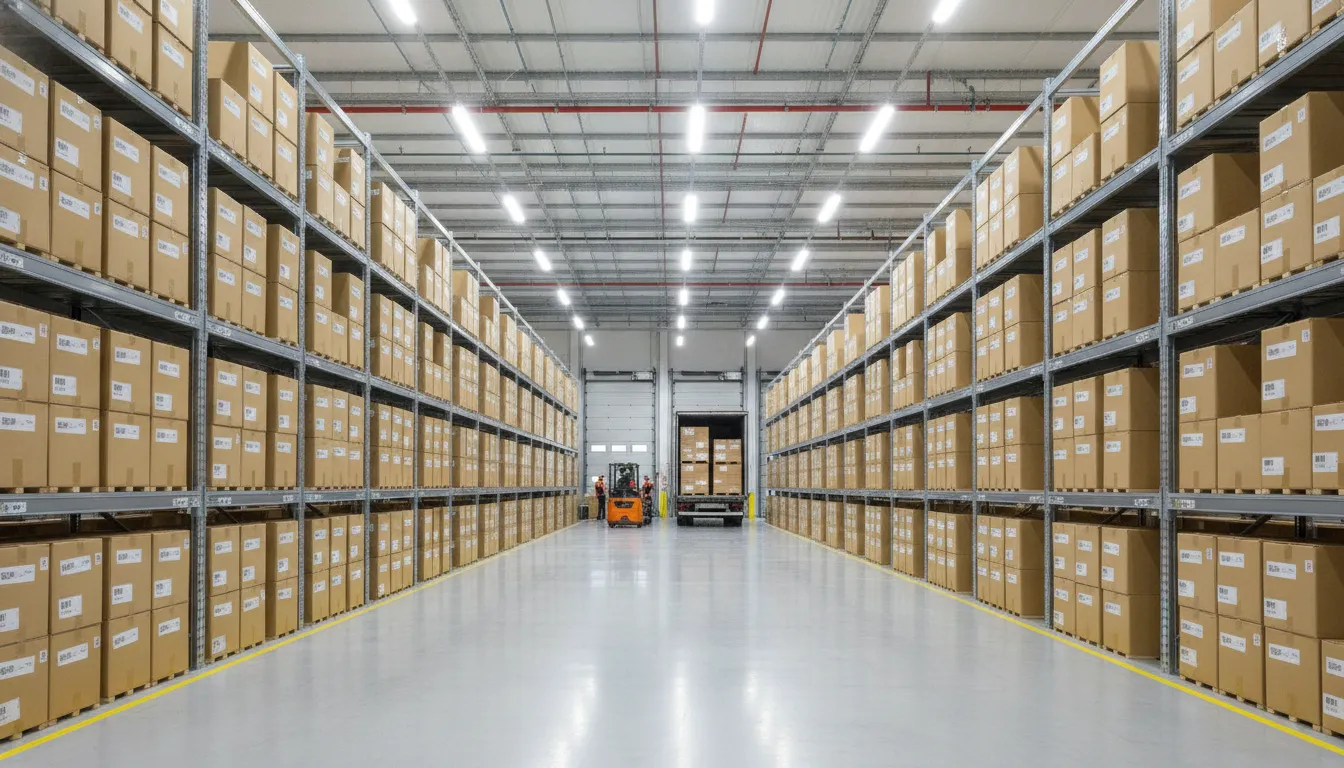
Just-in-Case models require more warehouse space to hold backup stock. Warehousing and cross-docking options give firms the scalable storage they need to hold this extra buffer. These methods can be used together. Firms often use hybrid inventory models to mix lean speed with backup safety. This blend of strategies helps firms protect their production uptime when faced with sudden demand shifts.
To succeed, both plans need clear tracking. New tech offers expedited freight solutions to monitor loads on the road. This visibility helps managers plan exact schedules. Proactive communication helps supply chain networks react fast to delays. With these tools, freight partners keep both inventory setups running smoothly despite weather or road issues.
Frequently Asked Questions
When should a warehouse choose JIT vs JIC inventory management?
A warehouse should choose Just-in-Time (JIT) if demand is steady and vendors always deliver on time. This approach keeps storage costs low. If supply lines are unsteady or disruption risks are high, a warehouse should choose Just-in-Case (JIC). According to a study from the University of Tennessee, managers must balance daily holding costs against the high price of factory downtime.
What is a hybrid inventory system?
A hybrid inventory system combines both Just-in-Time (JIT) and Just-in-Case (JIC) methods. A company uses JIT for fast-moving goods with steady demand to keep storage costs low. At the same time, it keeps extra safety stock for key parts that are hard to find. According to research from MIT, this combined model lets firms gain the high efficiency of JIT while keeping the safety of JIC.
How does a just-in-time vs just-in-case inventory strategy affect freight needs?
The choice of a just-in-time vs just-in-case inventory strategy shapes shipping needs. A Just-in-Time setup uses frequent small shipments and relies on fast ground shipping when delays happen. A Just-in-Case model relies on fewer, larger shipments to fill warehouse buffers. According to a study from Liberty University, keeping more stock on hand reduces the need for rush freight but raises storage costs.
Ready to Optimize Your Freight and Inventory Strategy?
Every single day you run your business without a clear freight plan puts your supply chain at direct risk of an expensive plant shutdown. Waiting for a major shipping crisis before you find a reliable transportation carrier will halt your production lines and spike your overall company costs. Setting up a strong, flexible logistics plan today keeps your critical parts moving on time, protects your production uptime, and secures your supply chain.
Ready to secure your logistics? expedited freight solutions that support your inventory strategy today. You can always partner with Load One to protect your critical production uptime and keep your freight moving safely across North America.