
Same Day Freight Shipping: How Emergency Expedite Works
Get a clear plan in place before an urgent production shipment misses its delivery window. Same-day service is not simply faster standard freight. It requires early coordination, suitable equipment, direct dispatch, and active communication from pickup through delivery.
Same day freight shipping moves palletized or heavy cargo from origin to destination within one business day, typically when a delay could affect production, inventory, or facility operations. The right provider confirms the shipment details, assigns capacity, monitors progress, and verifies delivery. Load One supports time-critical freight with same-day, next-day, and two-day Ground Expedite options, plus 24/7/365 availability. Read the complete guide to expedited freight for broader planning context.
For transportation and supply chain teams, the first decision is defining whether the shipment truly requires same-day movement. That distinction determines the timing, equipment, routing, and level of control needed to protect your operation.
Get a Quote for same day freight shipping and protect your production schedule.
What Counts as Same Day Freight Shipping?
Same day freight shipping means palletized or heavy freight is picked up and delivered within the same business day. It is designed for time-critical loads that cannot wait for a standard transit schedule. Load One supports same-day, next-day, and two-day ground expedite options, based on the shipment, route, and operational requirements.
The defining factor is not simply speed at one point in the journey. Both the pickup and delivery must occur during the same business day. That requires early planning, confirmed capacity, suitable equipment, and active coordination between the shipper, carrier, and receiving location. A pallet moving between a supplier, warehouse, or manufacturing plant may qualify when the full movement is completed that day.
How is same-day freight different from standard freight?
Standard freight commonly moves through a hub-and-spoke network. A shipment may travel from the origin to a terminal, transfer through one or more hubs, and then move to the destination. That model can work well for planned freight, but each handling point and scheduled departure can add time.
Same-day service uses a more direct operating plan. The provider evaluates the freight, selects the right vehicle and handling equipment, dispatches the shipment, and monitors progress through delivery. The objective is to reduce avoidable handoffs and keep the load moving toward its receiving window. Requirements may include a cargo van, a box truck with a lift gate, or a freight truck, depending on the load size and loading conditions.
| Factor. | Same-Day Freight Shipping. | Standard Freight. |
|---|---|---|
| Delivery window. | Pickup and delivery within the same business day. | Follows scheduled transit and delivery days. |
| Network model. | Direct dispatch with minimal handoffs. | Hub-and-spoke with terminal transfers. |
| Planning lead time. | Early coordination required, pickup cutoff often early afternoon. | Planned in advance with standard schedules. |
| Availability. | 24/7/365 support for urgent moves. | Standard operating hours. |
| Pricing. | Custom quote based on distance, weight, urgency, and handling. | Rates based on standard service and volume. |
Same-day service also depends on availability outside normal planning cycles. Load One provides 24/7/365 support for time-critical transportation needs. That availability helps logistics teams respond when a production component, replacement part, or critical shipment cannot follow the normal freight plan. Service remains quote-based because distance, weight, urgency, access, and handling requirements vary.
For businesses that need a controlled ground solution, Load One’s expedited freight solutions can support urgent North American freight movements. The right service level should be selected after reviewing the shipment details, pickup readiness, delivery deadline, and receiving capabilities.
How the Same-Day Freight Process Works in Practice
When a production schedule changes, the shipment process must stay controlled from the first request through delivery. Load One coordinates equipment, carrier capacity, tracking, and receiving details in one operating plan. That approach supports same day freight shipping for time-critical freight without leaving key decisions to the final handoff.
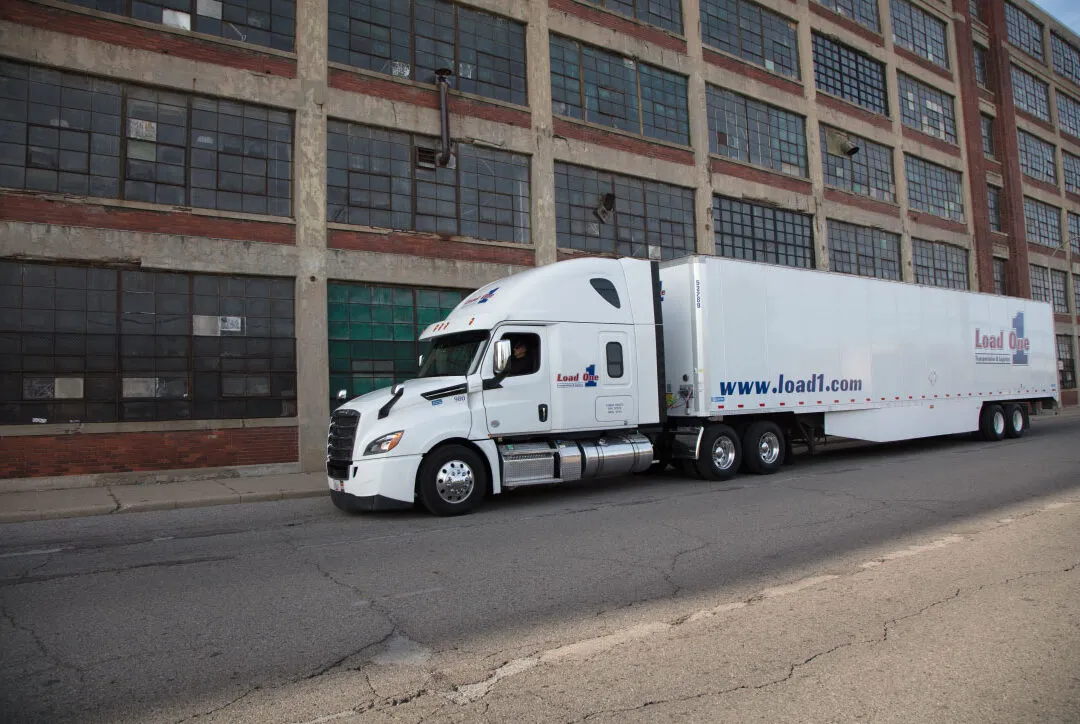
- Book the shipment and confirm the operating requirements. Start with the origin, destination, requested pickup time, delivery deadline, freight dimensions, weight, packaging, and handling needs. Share dock instructions, facility contacts, and any appointment requirements. Pickup timing matters. Some same-day programs require freight to be ready by early afternoon, with deadlines often falling around 1:00 to 2:30 p.m. The exact cutoff depends on the lane, distance, and available equipment. Load One reviews these details before dispatch so the plan reflects the shipment’s actual constraints.
- Dispatch the right equipment and capacity. Load One matches the freight to the vehicle and handling capability required for the move. Options can include cargo vans, lift-gate box trucks, and freight trucks. A lift gate may be necessary when the pickup or delivery site lacks a dock. Load One combines in-house assets with a network of more than 70 partner carriers. This model expands capacity while keeping the shipment aligned with the service requirements. For more information, review Load One’s expedited freight solutions.
- Monitor the shipment in real time. Once the driver is dispatched, operations teams track progress against the planned route and delivery window. Load One provides real-time visibility through GPS and satellite tracking, with shipment information available through the MyFreight portal. Proactive monitoring helps identify delays, route issues, facility changes, or missed handoff details while there is still time to respond. Customers receive clear communication instead of waiting for an end-of-day status update.
- Verify pickup, arrival, and delivery completion. The final step confirms that the freight reached the correct location and the receiving team accepted it. Delivery verification should include the delivery time, receiving contact, shipment condition, and proof of delivery when applicable. Operations teams can then close the shipment record and address discrepancies promptly. This verification protects accountability for urgent parts, production materials, and other freight where an unconfirmed delivery can create additional risk.
In practice, same-day freight shipping depends on coordinated execution. The provider must book the load, assign suitable equipment, monitor the route, and confirm receipt. Load One supports this workflow with in-house and partner-carrier capacity, real-time GPS and satellite visibility, and direct communication through each stage.
What to Expect During a Same-Day Emergency Shipment
Same-day emergency freight depends on fast decisions, accurate shipment details, and continuous coordination. Pickup timing matters. Many same-day programs require freight to be ready early in the afternoon. One published logistics guideline requires a pickup call by 1:00 p.m. or delivery to its office by 2:30 p.m. for same-day processing. These times are operational examples, not universal industry cutoffs. Your actual deadline depends on origin, destination, cargo, equipment, and service plan. Review the shipment timing guidance and confirm the cutoff with your logistics provider.
In practice, same-day emergency shipping requires early coordination, dependable dispatch, live shipment visibility, and proactive updates. Load One supports time-critical freight with 24/7/365 availability, real-time tracking, and communication that helps logistics teams protect production schedules.
Early pickup coordination protects the delivery window
When a production line, distribution center, or service operation needs an urgent part, the first call should establish the complete operating picture. Provide the pickup and delivery addresses, ready time, dimensions, weight, piece count, packaging details, dock requirements, and delivery contact. Explain any lift-gate, appointment, cross-border, or special-handling needs.
Calling early gives the operations team more options. Load One can evaluate the route, select suitable equipment, confirm driver availability, and build a realistic delivery plan. Same-day ground expedite may suit many regional moves. Longer distances or tighter windows may require a different solution. The service decision should follow the shipment requirements, not a fixed rate or preset method.
Visibility continues from dispatch through delivery
After dispatch, operations teams need more than a driver assignment. Load One provides real-time shipment visibility through GPS, satellite tracking, and the MyFreight portal. This allows authorized stakeholders to monitor progress and make informed decisions when conditions change.
Proactive communication also matters when a route develops congestion, a facility changes its receiving window, or a delivery instruction needs clarification. Updates should reach the people responsible for production, warehousing, and transportation decisions. A 24/7/365 operating model supports urgent requests outside standard business hours. It also gives teams a point of contact when an emergency begins overnight, during a weekend, or on a holiday. Published freight guidance likewise identifies round-the-clock availability as a feature of emergency logistics support. expedited freight solutions for shipments that require rapid domestic transportation.
Delivery verification closes the emergency move
The shipment is not complete when the vehicle arrives. The receiving team should verify the delivery location, piece count, condition, and required documentation. Ask the provider to confirm delivery status and communicate any discrepancy promptly. This final step gives transportation leaders a reliable record and helps identify follow-up actions before the next production shift.
Which Industries Rely on Same-Day Freight Most?
Same-day freight shipping is essential when a delayed component, replacement part, or production material could interrupt a scheduled operation. The need is especially urgent in industries with tightly managed production schedules, large equipment, and limited tolerance for downtime. Load One supports time-critical transportation across North American manufacturing networks.
- Automotive manufacturing and assembly.
- General manufacturing and industrial production.
- Heavy equipment and machinery.
- Tier suppliers supporting manufacturing plants.
Automotive manufacturing
Automotive operations depend on just-in-time delivery. Parts must reach the correct plant, line, or supplier location when production requires them. A missed delivery can delay assembly, disrupt labor planning, and create downstream scheduling pressure. Same-day service gives transportation teams an emergency option when standard freight timing cannot protect the production schedule.
General manufacturing
General manufacturers may need urgent movement of raw materials, finished components, tooling, or replacement parts. These shipments can support a factory, warehouse, or regional distribution point. Expedited delivery helps move palletized freight quickly to manufacturing facilities and can reduce the risk of production delays. expedited freight solutions can support urgent regional and North American moves.
Heavy equipment and machinery
Heavy equipment companies often manage large, specialized, or difficult-to-replace items. A missing component can affect a jobsite, service operation, or equipment repair schedule. These shipments require careful coordination around dimensions, loading requirements, delivery access, and urgency. A transportation provider should confirm the handling plan before dispatch and maintain clear communication throughout the move.
Industries rely on same-day freight when delayed materials could stop production, postpone equipment service, or disrupt facility operations. Automotive, general manufacturing, and heavy equipment companies use expedited transportation to respond to urgent needs, protect production uptime, and keep critical freight moving. Rapid emergency response is most effective when dispatch, equipment, tracking, and delivery verification are coordinated.
Load One combines in-house assets with partner-carrier resources to match the shipment to the required service. Real-time visibility and proactive communication help logistics leaders make informed decisions while freight is in transit. For a plant line, warehouse, or equipment site, the goal is not simply faster transportation. It is dependable recovery when the normal supply chain cannot meet the operational deadline.
Production teams can also use same-day service as part of a broader contingency plan. Establishing shipment requirements in advance helps transportation managers provide accurate details during an emergency. Include the pickup and delivery locations, freight dimensions and weight, handling needs, required arrival time, and receiving contact. These details help the provider identify the right capacity and response path without avoidable delays.
How to Request Same-Day Freight Service
Start by sharing the shipment details with Load One as soon as the need is confirmed. Provide the pickup and delivery locations, requested delivery time, freight dimensions, weight, commodity, and any loading or unloading requirements. Include dock hours, access restrictions, and whether the shipment needs special handling.
These details allow the logistics team to assess the available service options and build a practical response plan. A same-day shipment may require ground expedite, specialized equipment, or another transport option based on the route and delivery deadline. If the shipment is unusually large, fragile, or regulated, explain those conditions before dispatch.
Pricing is custom. Costs vary based on distance, cargo weight, delivery urgency, and specialized handling requirements, such as lift-gate service or hazardous-material procedures. There are no fixed rates for same-day freight shipping. Load One reviews the shipment profile and returns a quote based on the actual requirements.
For planning context, review this expedited freight guide, then submit the request through Get a Quote. For a complex move, include the production impact and the consequences of a missed delivery window. That information helps the team prioritize the response and identify the right transportation solution.
What information should a shipper provide?
A complete request should identify the freight, locations, timing, and handling conditions. It should also name the shipping and receiving contacts. Clear information reduces follow-up delays and helps the provider confirm whether same-day service is achievable.
- Pickup and delivery addresses, including facility names and dock instructions.
- Freight weight, dimensions, pallet count, commodity, and packaging details.
- Required pickup and delivery times, including any hard production deadline.
- Equipment or handling needs, such as a lift gate, inside delivery, or temperature control.
- Shipping documents, access rules, and contact information for both facilities.
Once the request is reviewed, confirm the quote, service scope, and delivery requirements before authorizing dispatch. Ask how shipment status will be communicated and who should receive updates. This creates a clear handoff from the initial request through delivery verification.
Answer: Request same-day freight service by providing complete shipment, location, timing, and handling details. Pricing is quote-based and varies by distance, weight, urgency, and special requirements. Load One reviews the request, confirms the available transportation plan, and provides a custom quote before dispatch.
Get a Quote for same day freight shipping and keep urgent freight moving.
Frequently Asked Questions
How does same day freight shipping work?
The process starts with shipment details, including the origin, destination, dimensions, weight, handling needs, and required delivery time. A provider confirms the service plan, dispatches suitable equipment, and coordinates pickup. The shipment then moves through dedicated or expedited transportation with status updates until delivery is verified.
How much does same day freight shipping cost?
Pricing depends on the shipment’s distance, weight, urgency, equipment needs, access requirements, and any special handling. Same-day service is quoted for the specific move rather than sold at a fixed rate. Provide complete shipment details to receive an accurate quote and reduce delays during planning.
Can heavy or oversized cargo be shipped the same day?
It can be possible when the shipment, equipment, route, and delivery window align. The provider should review dimensions, weight, loading conditions, facility access, and any specialized transport requirements before dispatch. Early communication gives the operations team more options for securing the right equipment and meeting the deadline.
What information is needed to arrange an emergency shipment?
Share the pickup and delivery locations, freight dimensions and weight, piece count, ready time, delivery deadline, loading instructions, and contact details at both facilities. Include photos or special handling requirements when relevant. Complete information helps the provider identify the right transportation plan and communicate realistic timing.
Get a Same-Day Freight Quote
When a critical shipment cannot wait, speed and accountability matter. Load One supports time-critical freight with same-day, next-day, and two-day options, 24/7/365 availability, and real-time shipment visibility. Sharing complete details early gives the logistics team the information needed to build a practical response plan.
Request a quote to discuss your requirements with the Load One team. Share the pickup and delivery locations, the required delivery time, freight dimensions, weight, and any handling or access needs. Load One reviews the shipment profile and returns a custom quote based on the actual requirements.
Get a Quote to keep urgent freight moving on your schedule. For complex requirements, use the same form and note the production impact of a missed delivery window so the team can prioritize your response.