Straight Truck Owner Operator Expedited Freight Guide
Apply for owner-operator opportunities if your straight truck is ready for time-critical freight and disciplined delivery work. Expedited transportation rewards operators who communicate clearly, protect schedules, and manage equipment as a business asset.
Contact Load One to discuss straight truck owner operator expedited freight opportunities.
A straight truck owner operator expedited freight partnership can provide access to mid-sized, urgent shipments that require dependable pickup, secure transport, and on-time delivery. The right carrier relationship also clarifies available lanes, operating expectations, compliance responsibilities, and how revenue must be evaluated against fuel, maintenance, insurance, taxes, and downtime.
Load One is an asset-based carrier serving time-critical transportation across North America, with operations available 24/7/365. Its straight truck fleet supports automotive, industrial, and heavy equipment supply chains where delays can disrupt production. Understanding the role begins with the daily work behind each shipment, from dispatch communication through final delivery.
What Does a Straight Truck Owner-Operator Do in Expedited Freight?
A straight truck owner-operator manages time-critical freight from dispatch through final delivery. The role combines safe vehicle operation with precise communication, dependable pickup and delivery execution, and fast updates when shipment conditions change.
In expedited freight, the operator accepts or confirms a load, reviews the pickup and delivery details, and stays aligned with dispatch throughout the run. Dispatch communication may include arrival updates, location status, delays, route concerns, and proof that the shipment reached its destination. Clear information helps the carrier manage customer expectations and protect production schedules.
Pickup and delivery discipline matters because these shipments often support automotive, industrial, or heavy equipment operations. The driver arrives prepared, verifies the freight and instructions, protects the shipment in transit, and follows site procedures at both ends. If a problem develops, the right response is prompt communication rather than an unreported delay.
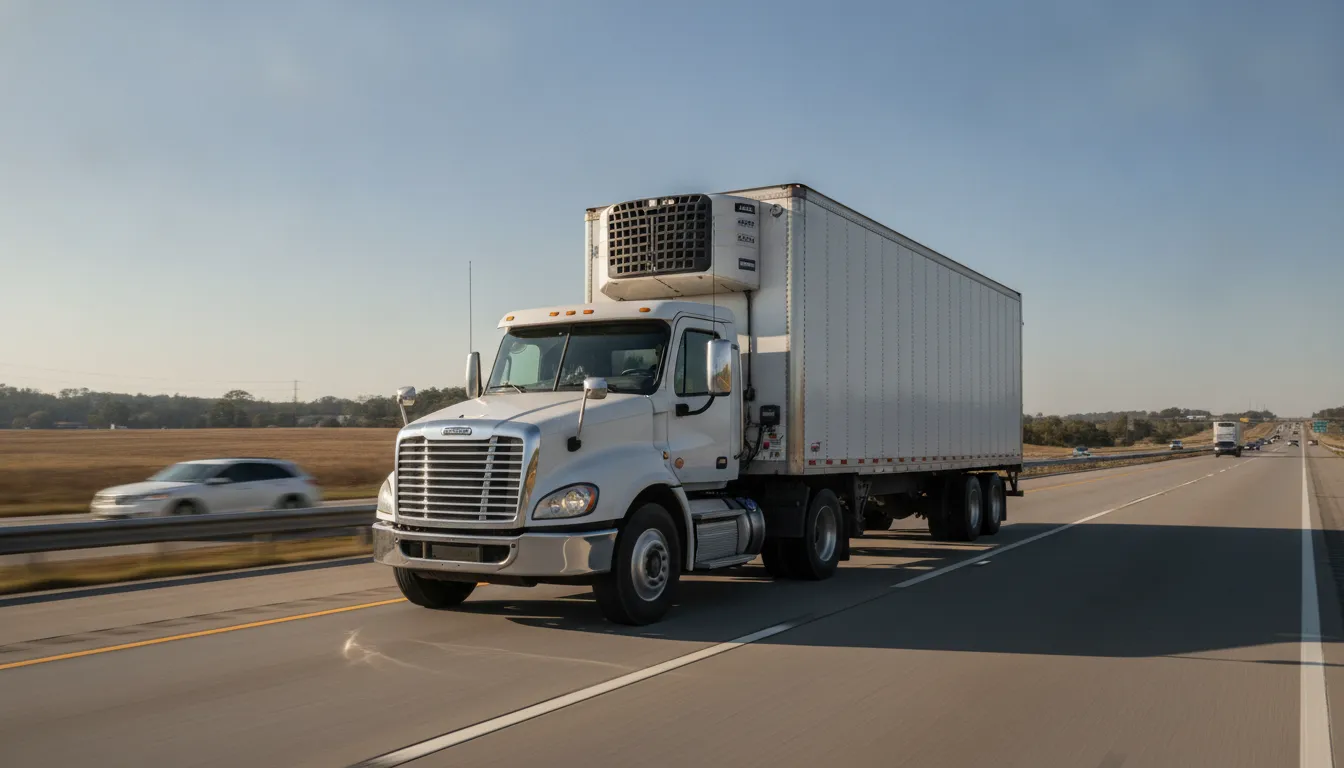
The straight truck itself fills an important equipment role. Load One identifies its straight truck fleet as integral to expedited freight capacity, particularly for mid-sized, time-critical shipments. These loads may need more capacity than a smaller vehicle while not requiring a tractor-trailer configuration. The specific vehicle fit depends on the freight, route, handling needs, and customer instructions.
Owner-operators also manage the business side of each movement. They must keep the truck ready, maintain required records, and coordinate professionally with dispatch, shipping teams, and receiving locations. The work rewards consistency because expedited customers depend on accurate updates and reliable execution.
Drivers evaluating straight truck owner operator opportunities should review how a carrier handles communication, equipment fit, and time-critical freight before committing to a partnership.
How Do Straight Truck Earnings Work in Expedited Freight?
A straight truck owner-operator in expedited freight evaluates profit through operating economics, not a quoted pay figure. Revenue matters, but utilization, empty miles, fuel, maintenance, insurance, taxes, and downtime determine what remains after the work is complete. The goal is disciplined business management across every dispatch.
Start with revenue from completed loads, then measure how efficiently the truck produces it. Utilization reflects how often the truck is moving with productive freight. Deadhead, or miles driven without a load, reduces efficiency and increases fuel and maintenance exposure. A strong operating review tracks loaded miles, empty miles, wait time, cancellations, and the time required to reposition for the next shipment.
Costs must be recorded consistently. Fuel is only one variable. Preventive maintenance, repairs, tires, insurance, permits, accounting, taxes, and communication technology all affect the business result. Keep separate records for fixed expenses and trip-related expenses. That makes it easier to identify whether a weak period came from lower volume, excess deadhead, higher repair needs, or poor planning.
Downtime also has an economic cost. A truck in the shop cannot generate revenue, so maintenance planning and realistic scheduling protect availability. Expedited freight can involve urgent changes, tight delivery expectations, and extended waiting. Operators should evaluate whether each load supports their equipment, schedule, and compliance obligations before accepting it.
This operating view differs from Load One’s compensation article, which addresses what owner-operators may make. Here, the focus is the management discipline behind sustainable results. Review performance by load, week, and month, then discuss lane fit, dispatch communication, and business support with a prospective carrier.
What Lanes and Loads Are Available for Straight Truck Operators?
Straight truck work in expedited freight can include regional assignments, longer North American runs, and time-critical shipments between production and distribution locations. The right fit depends on the carrier’s customer demand, your equipment, operating area, and ability to meet pickup and delivery requirements.
Load One’s straight truck fleet supports mid-sized, time-critical shipments. Its expedited operations serve automotive manufacturing, industrial, and heavy-equipment industries across the United States, Canada, and Mexico. These sectors often depend on rapid response when delayed parts, materials, or equipment could disrupt production.
How do regional and longer runs differ?
Regional work may keep an operator closer to a preferred operating area, while longer expedited runs can require more time away from home and broader trip planning. Neither option is automatically better. Ask how a carrier balances regional and longer-distance freight, how dispatch communicates opportunities, and whether the expected work matches your business plan.
Cross-border capability can also expand the type of freight an operator may support. Load One identifies a dedicated Laredo facility for cross-border logistics. Operators considering freight between the United States and Mexico should confirm the carrier’s process, documentation expectations, and whether their equipment and operating authority fit those moves.
Before committing, discuss:
- The industries and shipment profiles your truck is expected to serve.
- Typical geographic coverage and the balance of regional versus longer runs.
- Cross-border requirements, if applicable to your operating plan.
- How dispatch, tracking, and delivery updates are handled.
Review straight truck owner operator opportunities and confirm lane fit directly with the carrier. Specific availability can change with customer needs, so avoid choosing a partnership based on an assumed lane list or promised volume.
What Equipment and Compliance Requirements Should You Expect?
A ready straight truck and disciplined records support safe, dependable expedited freight service. Expect the carrier review to focus on whether your equipment is road-ready, your cargo is secured, and your business can meet applicable DOT responsibilities. Requirements can vary by operation, so confirm current details before committing.
- Keep the truck ready for time-critical work. Maintain a roadworthy vehicle, inspect critical systems before dispatch, and address defects promptly. Do not assume a specific truck size, model year, insurance limit, or equipment configuration without confirming it with the carrier.
- Secure every shipment correctly. Use appropriate tie-downs, blocking, and other securement methods for the freight. Check the load after pickup and during the trip when conditions require it. Securement is both a safety responsibility and a delivery-quality requirement.
- Maintain inspection and maintenance records. Keep organized documentation for inspections, repairs, maintenance, and required driver or vehicle records. Clear records help demonstrate control of the operation and make compliance reviews easier to manage.
- Treat safety as an operating requirement. Follow applicable hours-of-service, inspection, cargo-securement, and driving rules. The FMCSA explains that specific violations can trigger an expedited safety audit or compliance review for a new entrant.
- Understand your DOT responsibilities. Owners are responsible for ensuring their business activities meet applicable DOT standards. Review the rules that apply to your authority, vehicle, and service model instead of relying on informal assumptions.
- Stay aware of Clearinghouse obligations. The FMCSA Clearinghouse guidance for owner-operators explains responsibilities that may apply to drivers and employers. Confirm registration, query, and reporting requirements that fit your business structure.
For carrier-specific details, review Load One’s expedited freight equipment and lane requirements before applying. Ask focused questions about inspections, documentation, securement expectations, and the equipment needed for the freight you plan to haul.
Why Is Load One a Strong Carrier Partner for Straight Truck Operators?
Load One is an asset-based, full-service carrier built around time-critical transportation. For a straight truck owner-operator in expedited freight, that model can provide a clearer connection between available equipment, customer needs, and dispatch operations. Load One serves automotive, industrial, and heavy equipment customers across North America and operates 24/7/365.
Its straight truck fleet supports mid-sized shipments that require dependable pickup, careful handling, and on-time delivery. The work is connected to real production demands, where a delayed component can affect an operating schedule. Load One therefore emphasizes capacity, shipment visibility, and direct communication rather than treating each movement as an isolated transaction.
Load One’s asset-based model gives the company control over capacity for critical shipments. Its operations team supports freight movement around the clock, including urgent requirements outside standard business hours. That availability matters to operators who need timely load information, clear instructions, and prompt updates when conditions change.
Technology is another practical part of the relationship. Real-time tracking and transparent communication help customers understand shipment status. They also give drivers and carrier teams a shared operational picture. Accurate status updates, delivery documentation, and early notice of delays support better decisions throughout the move.
North American coverage creates room for different operating preferences, subject to the lanes and requirements available at the time. Load One provides time-critical transportation across the United States, Canada, and Mexico. Its dedicated Laredo facility supports cross-border logistics. Operators should confirm current lane fit, equipment expectations, and operating requirements directly with the recruiting team.
Load One also brings more than 400 years of combined transportation-management experience. That experience supports disciplined planning for complex freight and production-sensitive customers. It does not replace the owner’s responsibility for safe operation, maintenance, compliance, and business costs. A strong partnership requires both sides to communicate professionally and deliver on agreed commitments.
To evaluate the fit, review Load One’s straight truck owner operator opportunities and ask specific questions about freight type, dispatch communication, service territory, and onboarding. The goal is an informed operating decision, not a promise of earnings.
How Can You Compare Straight Truck Owner Operator Expedited Freight Opportunities?
Compare opportunities by looking beyond advertised load access. A strong carrier relationship should explain how freight is assigned, how dispatch communicates, where equipment fits, and what operating standards apply. Review the business model, geographic coverage, and documentation process before committing your truck, time, and operating costs.
| Factor | What to evaluate |
|---|---|
| Load access | Ask how straight trucks fit the carrier’s expedited freight network and how available work matches your preferred operating area. |
| Communication | Confirm who handles dispatch, how updates are shared, and whether shipment status expectations are clear. |
| Equipment fit | Verify that your truck’s capabilities, condition, and securement setup align with the freight the carrier handles. |
| Geographic scope | Determine whether the network supports regional, longer-distance, or cross-border assignments across the United States, Canada, and Mexico. |
| Compliance expectations | Clarify required records, safety processes, and owner responsibilities under applicable DOT rules. |
| Business transparency | Review agreements, deductions, payment procedures, operating costs, and responsibilities in writing before accepting work. |
For a prospective partner, the best comparison is specific and documented. Ask how the carrier supports time-critical freight, handles changes, and maintains professional communication. Then review its straight truck owner operator opportunities and confirm that the partnership fits your equipment and business goals.
Contact Load One before choosing a straight truck owner operator expedited freight partnership.
Frequently Asked Questions
How do I become an expedited driver?
Start by confirming that your truck, records, documents, and operating authority meet the carrier’s requirements. Review the work expectations, service area, equipment fit, and communication standards before applying. Owners are responsible for ensuring their business activities meet DOT standards, and applicable Clearinghouse requirements should be understood through FMCSA guidance.
How do I get freight as a straight truck owner-operator?
Work with a carrier whose customer base and dispatch operation match your equipment and preferred lanes. Ask how loads are assigned, how pickup and delivery updates are handled, and how deadhead and downtime are managed. Expedited freight commonly serves time-critical automotive, industrial, and heavy equipment shipments, so readiness and reliable communication matter.
What costs should I plan for as an owner-operator?
Plan for fuel, maintenance, repairs, insurance, permits, taxes, tires, compliance administration, and periods without a load. Your business result depends on revenue after operating costs, not the gross amount attached to an individual shipment. Request a clear explanation of deductions, payment timing, and other business terms before signing a carrier agreement.
Can a straight truck owner-operator handle cross-border freight?
Yes, a straight truck may be suitable for cross-border expedited shipments when the equipment, documentation, authority, and driver qualifications meet the applicable requirements. Confirm border procedures and lane expectations with the carrier. Load One provides coverage across the United States, Canada, and Mexico, with a dedicated Laredo facility supporting cross-border logistics.
What should I ask an expedited freight carrier before applying?
Ask about equipment fit, service territory, load assignment, dispatch communication, compliance documents, payment terms, deductions, and expected availability. Confirm what the carrier can verify today rather than relying on a general earnings promise. A written explanation of the operating relationship helps you compare opportunities responsibly.
Ready to Explore Straight Truck Owner-Operator Opportunities?
Load One can help you discuss how your equipment, operating goals, and preferred work may fit available opportunities. Review the details and share your questions with the recruiting team.
Contact Load One to apply to drive or discuss owner-operator opportunities.