Air Charter Services for Urgent Freight: A Shipper’s Guide
A broken production line can cost a factory tens of thousands of dollars every hour. When ground shipping is too slow, air charter services from Load 1 keep your operations moving. Our dedicated logistics team offers the specialized speed and capacity needed to protect your bottom line.
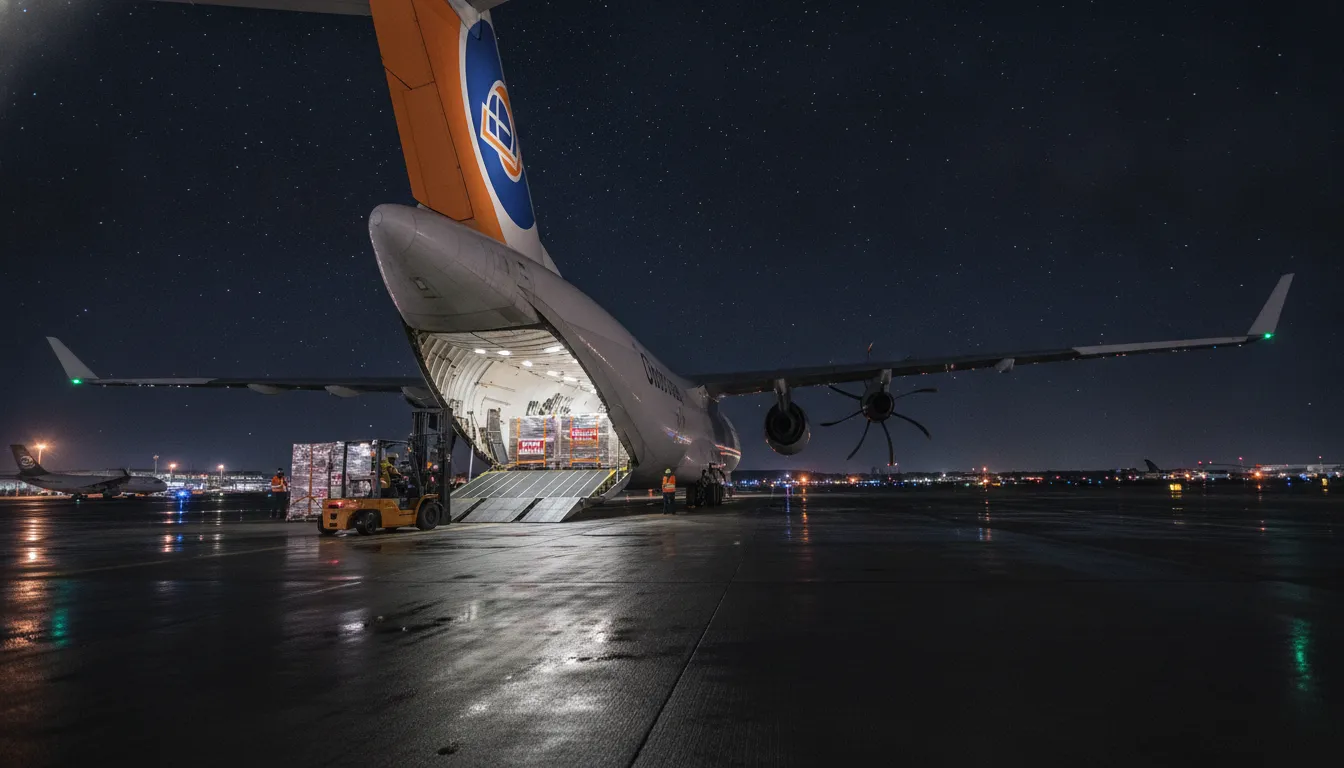
Air charter services provide on-demand, exclusive-use cargo aircraft flights to transport urgent, time-critical freight. Unlike scheduled air cargo, chartering dedicates the entire plane to a single shipper, bypassing busy commercial hubs for direct, point-to-point delivery. This model ensures maximum speed, absolute security, and real-time transit control to protect production uptime.
Knowing the best times to use these fast flight options is key to managing a strong and steady supply chain. Shippers must know when a private plane is needed to keep their operations moving forward.
Why Does Urgent Freight Demand Air Charter Services?
In the world of fast supply chains, time is often the most scarce tool. A single late shipment can cause a chain of events that stops work and costs money. Ground trucks work for many loads. However, high-consequence supply chain disruptions require immediate, dedicated air capacity. This is where on-demand air charter services become the most reliable strategy to keep goods moving. These dedicated flight services give logistics managers the exclusive lift required to meet tight delivery windows when every minute counts.
Stopping Costly Plant Shutdowns
For makers in the car and heavy machine fields, a missing part can stop a whole line. A plant shutdown can cost thousands of dollars per minute in lost work. When a vendor has a delay, ground trucks might not be fast enough to fill the gap. Using advantages of expedited air cargo lets you move parts from the source to the plant in hours rather than days. This rapid move helps plants stay on task and keeps workers busy.
Moving Heavy Or Fragile Gear
Some freight is too big or too weak for standard flights. Large machine parts or high-value tools need special care and direct routes. In the US, these on-call flights fall under 14 CFR Part 135 rules. These rules ensure that the crew and planes meet high safety marks for urgent cargo. Choosing a charter means the plane goes right where you need it without stops. This lowers the risk of damage from extra handling at big hubs.
Responding To Sudden Crises
Shipping needs do not always follow a set plan. A sudden storm or a broken tool can create a crisis that needs a fast fix. Most top charter networks stay open 24/7. These air charter services can often get a plane in the air within a few hours of your call. They use a vast net of vetted planes to find the best fit for your load. This speed lets you solve problems before they grow into large failures. It gives you the power to handle the unknown with trust and ease.
Reaching Remote Work Sites
Sometimes your freight needs to go to a place that big planes cannot reach. Small charter planes can land at short air strips near mines or rural plants. The FAA notes that many Part 135 firms offer a lifeline to places that lack other ways to get goods. This lets you move tools and parts deep into the field where speed is vital. You can keep your site running even when it is far from a major city hub.
How Do You Select the Right Cargo Aircraft for Urgent Shipments?
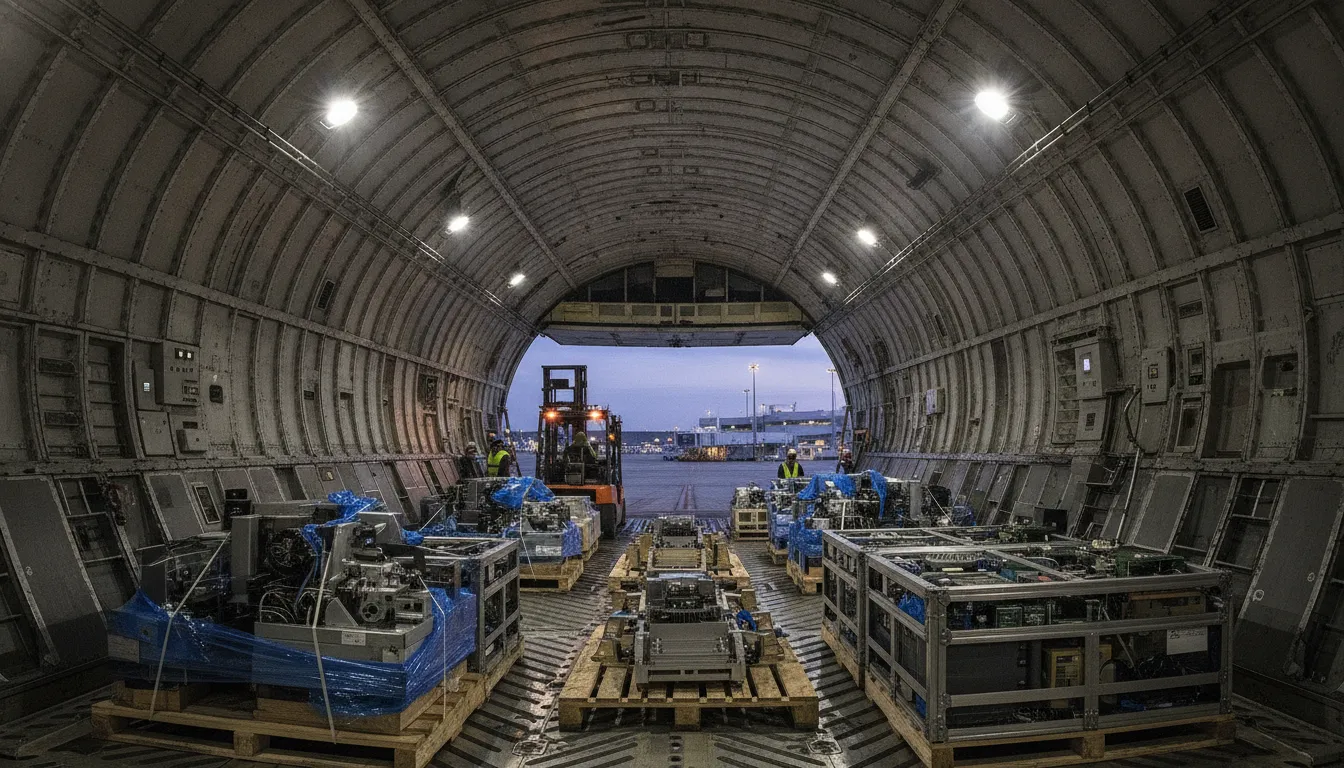
Picking the right plane is key to good air charter services. When you have an urgent load, you must match the freight to the best aircraft. This step keeps costs down and ensures your goods arrive on time. A small part for a car plant might only need a light jet. But heavy industrial machinery for mining operations may need a large cargo plane. Getting this match right helps protect your production uptime.
How To Match Aircraft To Your Load
To pick the best plane, you need a clear plan. Matching the aircraft to the size and weight of your goods is the first step in any urgent move. This ensures the cargo fits safely and flies at the right speed to meet your date.
- Check the cargo details. Write down the exact weight, length, width, and height of every piece in your load to ensure a good fit.
- Set your timeline. Find out the latest time the goods can arrive to keep your plant running and avoid costly downtime.
- Pick the plane size. Work with an expert to find a plane that fits your load and flies the distance you need without extra stops.
- Check for safety. Ensure the company follows Part 135 rules. The FAA checks pilots and aircraft more often for these carriers to ensure high safety levels.
- Review the flight path. Confirm the plane can land at the airport closest to your final stop to save time on the ground.
- Get a custom quote. Reach out to a team that owns its assets to get a clear price and a firm plan for your shipment.
Weight And Door Size Limits
Look at the weight and size of your freight before you book. Each plane has a limit on how much it can carry. Small planes are fast but have less room for big items. Large planes can haul heavy gear but may cost more to run. You should also check the door size of the aircraft. Even if the weight is fine, the cargo must fit through the door. Knowing these details helps you find the best on-demand air charter solutions for your exact needs.
Safety And Flight Planning
The distance of your trip also matters for urgent moves. Some planes can fly long paths without stopping while others need to land and refuel. If your shipment is urgent, a direct flight is the best choice. You should also think about the airports on your route. Some small fields cannot handle big cargo jets. Choosing the right path ensures your air shipping benefits remain steady and fast. This is vital for time-critical moves across North America.
What Are the Key Inputs for a Swift and Accurate Freight Quote?
When you need to move goods fast, you need a price just as fast. Getting the right price for air charter services starts with precise operational specifications. If you give the carrier the right data from the start, they can find the best plane for your job. This keeps your costs down and avoids delays at the airport. If you are ready to prepare a quote or discuss your requirements, you can get in touch with our team directly through our contact page or our 24/7/365 dispatch desk.
Right Size And Weight
The first facts a carrier needs are the weight and size of your cargo. Each plane has a limit on how much it can carry. Even minor fluctuations in payload weight can change which plane you need. This is why you must give exact numbers for every piece you want to ship.
You also need to share the length, width, and height of your crates or pallets. Some cargo planes have large doors for heavy gear, but others have small spaces. Knowing the size helps the team see if the load will fit through the door. If you have big parts that cannot be stacked, tell your carrier right away.
Handling Needs And Safety
Safety is the main part of flying freight. You must state if your cargo has risky goods, like batteries or chemicals. Many Load 1 air services must follow strict rules for these items. Take Part 135 air carriers. They must have plans to move such goods safely.
Packing also matters for a quick quote. Let the team know if your goods are on pallets, in crates, or loose. Good packing keeps your freight safe during the flight. It also helps the crew load the plane fast. If your cargo needs special tools to move it, like a crane, share that fact early to save time.
Airport Places And Timing
To get a fast quote, you must name the pick-up and drop-off points. Give the city name or the airport code if you have it. Choosing the right airport can save hours of drive time on the ground. This is key for benefits of air freight for urgent deliveries that focus on speed and on-time work.
Finally, tell the carrier when the load will be ready. Time-critical shipping works best when every step is planned out. The team needs to know the date and time you want the plane to take off. Clear facts about your schedule help the carrier secure the right aircraft and crew for your urgent mission.
Critical Steps In Airport-to-Door Coordination
Moving goods from the runway to the final door needs a tight plan. Speed and care are vital for air charter services to work well. Each part of the trip must connect without a break. This keeps your supply chain moving and avoids costly plant stops. Good planning makes sure that fast cargo does not sit idle on the ground.

Linking Ground And Air Shipping
Real speed starts on the ground. A truck must be at the dock before the plane lands. This is where Ground Expedite Services come into play. These units move freight fast to and from the airport. By using an asset-based model, we keep full control of the timing and the gear used. Our drivers are trained to work with the specific needs of fast air freight.
A good ground team knows how to handle tight windows. They use real-time data to track the flight and the road. This helps them adjust to traffic or weather shifts. The goal is to make the hand-off from air to road feel like one smooth move. This level of service is key for car making and heavy gear where every minute counts.
Managing Airport Transfers And Handling
Airport stops can be a big risk for delay. Large hubs are busy and complex. Fast cargo needs a team that can move past these blocks. We work with crews who know the local rules and paths. This ensures the cargo gets from the plane to the truck in record time. On-site staff help clear the way for rapid loading procedures and moving of the goods.
Safety and rules are also key at the airport. Many freight flights run under Part 135 rules from the FAA. This means they meet high marks for pilot training and craft care. Following these rules helps keep your cargo safe while it moves through the hub. It also ensures that the service is legal and meets all rules for air travel.
Handling Customs And Cross-border Needs
Cross-border moves add more steps to the job. The Laredo gateway is a major spot for freight moving between the US and Mexico. Coordination at this point is vital to avoid long waits. Our team manages the paperwork and checks to keep the freight on track. We stay ready to solve issues with customs as soon as they arise.
Round-the-clock watch is the only way to stay ahead. Our 24/7/365 hub tracks every move of your custom air transit solutions. This level of care means we can spot a problem before it slows you down. We stay in touch from the first call to the final drop-off at your door. You get a direct line to the people who can make things happen at any time of day.
A Comparison Of Air Charter Services Vs. Scheduled Air Freight
Choosing between air charter services and scheduled air freight is a big task for shipping teams. Most firms use scheduled flights for their daily needs. These flights follow a set path and a firm time. But when a part is missing or a plant line stops, a set flight may be too slow. This is where a private air charter adds real value to your supply chain.
Speed And Timing Differences
The main gain of air charter services is speed. Scheduled air freight must wait for a commercial plane to be ready for its next trip. It also moves through large hubs. This can add hours or even days to the total time. In contrast, an air charter flight moves on your clock. It flies directly from where you are to the place you need to be. This help keeps your factory lines running and meets tight deadlines.
In the United States, the FAA sets rules for on-demand air service under 14 CFR Part 135. These firms must follow strict rules for safety and pilot skills. Because charter flights do not share space with other goods, they can leave as soon as the doors close. This makes them the best choice for the most urgent needs. You don’t have to wait for the next flight out.
Flexibility For Cargo Types
Scheduled flights have strict limits on what they can take. Many large planes have small doors or caps on weight. They may not be able to take big tools or dangerous goods. Private air charter tools offer much more room. You can pick a plane that fits your specific load. This includes heavy gear, car parts, or fragile medical kits that need special care.
Charter networks use many types of planes to meet your needs. The FAA does frequent checks on Part 135 planes to make sure they are safe and legal for transport. This gives you peace of mind when moving high-value items. You get a path that is built for your freight. It is not just a spot on a plane that was going that way anyway. You have full control over the space.
When To Choose Charter Services
Most supply chains use both types of service. You might use regular advantages of expedited air cargo for goods with a long lead time. But you should switch to a charter when the cost of a delay is high. This often happens in the car and factory worlds. A single missing part can stop a whole plant. In those cases, the cost of the charter is small compared to the cost of a stop in work. It is a smart move for your uptime.
| Checks | Scheduled Air Freight | Air Charter Services |
|---|---|---|
| Speed | Set by airline routes and stops at major hubs. | Fastest; flies direct from point to point. |
| Trust | Subject to delays from other cargo or passengers. | High; the plane is dedicated solely to your load. |
| Space | Limited by plane type and current booked space. | Custom; you choose the aircraft for your size. |
| Change | Fixed times and paths that do not change. | On-demand; flies exactly when you need it to. |
| Safety | Standard cargo safety rules for commercial lines. | Higher FAA checks for on-demand Part 135 crew. |
| Tracking | Often limited to hub-to-hub updates. | Real-time tracking from door to door. |
Load One works with a focus on North American logistics. We give real-time tracking for all air shipments. This makes sure you know where your goods are at every step. Whether you need to cross the border to Laredo or move parts across the country, we have the tools. Our team is here 24/7 to find the best path for your urgent freight. We handle the hard details so you can focus on your work.
Evaluating Cost-Effective Alternatives To Dedicated Charter
While sole air charter services offer the highest level of speed, they are not the only choice for urgent freight. Shippers often look for ways to lower costs while still meeting tight deadlines. By judging the size, weight, and distance of a shipment, you can find other modes. These protect your plant uptime without the cost of a full plane.
Ground Expedite For Shorter Routes
Ground expedite is often the best way to move urgent cargo over short or medium trips. This mode uses whole trucks to move freight from door to door with no stops in between. It is a direct way to handle fast shipping needs.
Since the truck carries only your load, you avoid the wait of mixing freight at a hub. Ground freight works well for cross-border moves through Laredo, Texas, where speed is vital for building cars. This asset-based model helps make sure trucks are ready when you need them.
For many trips under 500 miles, a sole truck can be as fast as a plane. This is because trucks do not need time for airport loading or TSA checks. It saves time on both ends of the trip.
Using ground expedite services allows for real-time tracking and direct control of the cargo. It is a steady way to keep your lines running when a full flight is not needed. It also removes the risk of shared loads that can slow down your shipping.
Next Flight Out On Commercial Planes
Next-flight-out (NFO) shipping uses the cargo space on airline flights. This is a top choice for small, high-value parts that must travel far in a few hours. It uses routes that are set.
Instead of hiring a whole plane, you pay for a small spot on a flight that is now going to your city. This helps lower the price while still giving you fast air speed. It is a smart way to use current flight paths for small but vital goods.
While NFO is fast, it follows other rules than on-demand flights. In the US, the FAA grants the power to run on-demand, unscheduled air service through a Part 135 certificate. Airline flights run on set times, which means you must work within their plan.
If your cargo fits in a small bin, NFO can save money on dedicated air charter capacity that you might not need. This makes it a great choice for small parts or documents that need to move fast across the country.
Consolidated Air For Lower Costs
Consolidated air freight is one more way to manage costs for shipments that are urgent but not “line-down” vital. In this mode, shippers group many loads as one on a flight. This lets you share the cost of the plane with others.
It takes more time to group the goods, but the savings can be large for bigger loads. Grouping freight helps use space that would go to waste. It is a solid pick for less urgent but still fast needs.
This mode is a good middle ground between standard air freight and a full charter. It still uses fast air lanes but at a much lower rate per pound. Choosing the right mode depends on your budget and how much time you have.
By checking all your options, you can pick the best way to ship your goods on time and on budget. Matching the mode to your timeline helps you save money while keeping your supply chain moving.
Frequently Asked Questions
How Do I Charter An Aircraft For Urgent Freight?
To charter an aircraft for urgent freight, contact a logistics provider with 24/7 help. You must give the weight, size, and final stop for your cargo. As established in the logistics industry, experienced providers can arrange special flights to meet tight deadlines. After you agree to a custom price, the carrier handles the work to move your freight at once. This process helps shippers avoid factory delays and ensures on-time delivery for urgent needs.
Can I Charter A Cargo Aircraft For Heavy Equipment?
Yes, air charter services can support many transport needs, including heavy machines and large gear. Special cargo planes are built to hold big loads that regular flights cannot move. As logistics experts note, available cargo aircraft options range from small items to heavy equipment. Shippers in the car and factory industries often use these services to move key parts. This keeps production lines running across North America without costly stops.
Are Air Charter Flights Safe For Hazardous Goods?
Yes, air charter flights are safe for hazardous goods when run by legal carriers. In the United States, these services follow 14 CFR Part 135 rules. The FAA says Part 135 operators must keep approved plans for moving dangerous items. These carriers get regular checks to ensure they follow strict safety rules. Shippers should check that their provider has the right permits and trained staff to handle sensitive or risky freight in a safe way.
Why Should I Choose Air Charter Services For Urgent Shipments?
Air charter services offer the fastest ways to move time-critical freight. Unlike regular airlines, charter flights work on your schedule and fly to the nearest airport to your stop. This speed is key for keeping factory lines moving and meeting tight delivery goals. As stated by the FAA, charter planes also provide a vital link to remote spots. Picking a provider with their own fleet ensures you have real-time tracking for your most urgent shipments.
Ready To Request A Quote For Your Next Urgent Air Charter?
When you wait to book a plane for your freight, you risk a stop on your line that can cost you a lot of money. Every hour of delay makes it hard to find a plane and you might miss the time slot you need to keep your clients happy. Our team is ready to find a jet for your cargo now so you can stay on track and avoid any costly plant down time.
Our freight team is here to help you manage your most urgent needs at any hour of the day or night to keep you moving. Ready to get a quote? Call (800) 957-4698 now to talk with our team and book your air charter on time.