
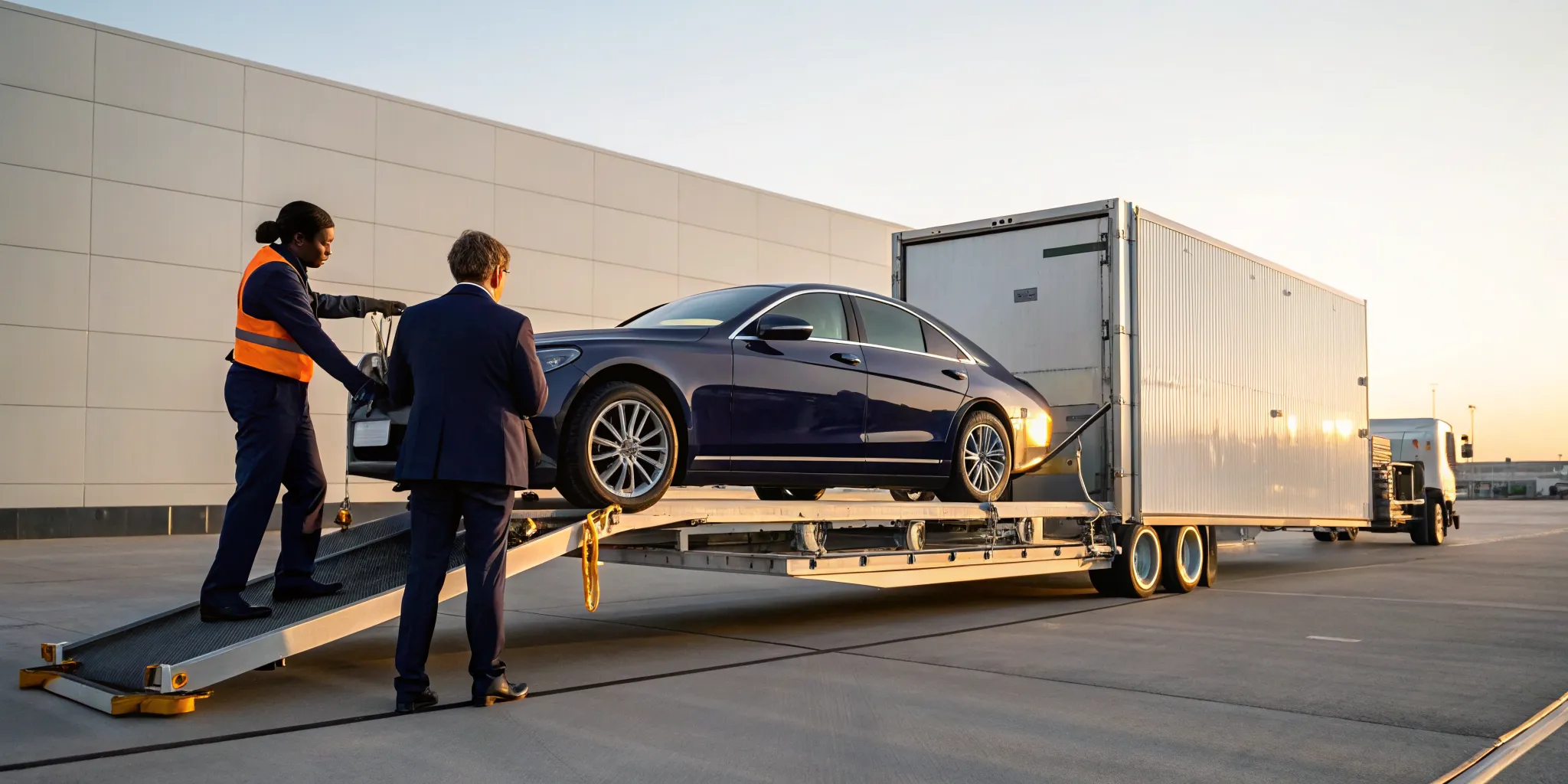
How to Choose the Best Car Shipping Companies
At first glance, driving a vehicle to its destination might seem like the most cost-effective option. But when you start adding up the real costs—fuel, hotel stays, meals, lost productivity, and the wear and tear on the vehicle itself—the math often tells a different story. Professional auto transport is frequently the smarter financial decision, especially for long-distance moves. It protects your vehicle from unnecessary mileage and frees up your team to focus on what they do best. The key is finding a provider that offers transparent pricing and real value. We’ll explore how to compare quotes from car shipping companies and help you determine when shipping is the right move for your budget and your business.
Key Takeaways
- Choose a partner, not just a price: A suspiciously low quote can signal future problems like hidden fees or delays. A reliable partner will offer transparent pricing, provide proof of insurance without hesitation, and have a strong history of positive customer reviews.
- A little prep ensures a smooth handover: Your role is crucial for a successful shipment. Before the carrier arrives, wash your vehicle, document its condition with photos, remove all personal items, and ensure it has about a quarter tank of gas.
- Know what drives your cost and timeline: Your final quote and delivery window are based on specific details. Key factors include the travel distance, vehicle size, transport type (open or enclosed), and your chosen service level, such as standard or expedited shipping.
What Does a Car Shipping Company Do?
At its core, a car shipping company handles the entire logistical process of moving a vehicle from one point to another without you having to drive it. Think of it as a specialized freight service designed for cars, trucks, and other vehicles. The process generally starts with you getting a quote and booking your shipment. From there, the company coordinates with a licensed carrier to pick up your vehicle, transport it, and deliver it to its destination.
For businesses, this service is invaluable. Whether you’re relocating employees, moving fleet vehicles, or transporting heavy equipment for a job, a reliable shipping partner manages all the details. They find the right driver, secure the necessary space on a carrier, and provide a single point of contact for the entire move. This frees up your team to focus on core operations instead of the complex details of vehicle transport. A good company provides a seamless experience, from initial booking to final delivery confirmation, ensuring your assets are handled professionally every step of the way.
Open vs. Enclosed Transport: What’s the Difference?
When you ship a vehicle, you’ll typically choose between two types of trailers: open or enclosed. Open transport is the most common and cost-effective option. You’ve likely seen these double-decker carriers on the highway, hauling multiple cars at once. They are exposed to the elements, just as they would be if you were driving them. For standard vehicles, this is a perfectly safe and economical choice.
Enclosed transport, on the other hand, offers maximum protection. Your vehicle is shipped inside a fully covered trailer, shielding it from weather, road debris, and potential damage. This is the preferred method for luxury, classic, or high-value vehicles. As you might expect, this premium service comes at a higher price, often costing 30% to 40% more than an open carrier. For irreplaceable or sensitive assets, the added security of specialized transport is well worth the investment.
Door-to-Door vs. Terminal-to-Terminal Service
Most reputable car shipping companies today offer door-to-door service as the standard. This means the carrier will pick up and deliver your vehicle as close to your specified locations as is legally and safely possible. The driver will coordinate with you to meet at your office, warehouse, or home. Keep in mind that large transport trucks can’t always get down narrow residential streets, so you might need to meet them at a nearby parking lot.
A less common alternative is terminal-to-terminal service. With this model, you drop your vehicle off at a designated storage lot or terminal, and the recipient picks it up from another terminal near the destination. While it can sometimes be a cheaper option, it’s far less convenient and adds extra steps to your process. For businesses that value efficiency and security, door-to-door service is almost always the better choice.
Shipping a Car Across Borders
Moving a vehicle across international borders introduces a whole new layer of complexity. It’s not just about the physical transport; it’s about customs, duties, and strict import regulations. For example, shipping a car to a country like Australia involves extensive paperwork, asbestos testing, and rigorous biosecurity inspections. These requirements can lead to significant delays and extra costs if not handled by an expert.
Even shipping between the US, Canada, and Mexico requires a deep understanding of customs brokerage and documentation. Each country has its own rules, and a simple mistake on a form can leave a vehicle stuck at the border for days. This is why working with a provider experienced in cross-border logistics is so important. They manage all the necessary paperwork and ensure a smooth crossing, which is critical for time-sensitive business operations.
How Much Will It Cost to Ship My Car?
Figuring out the cost to ship your car can feel complicated, but it really comes down to a few key details. There isn’t a single flat rate for auto transport because every shipment is unique. The final price on your quote reflects a combination of factors, from the type of car you’re moving to how quickly you need it to arrive. Understanding these variables will help you get an accurate estimate and choose the right service for your needs and budget.
Key Factors That Influence Your Quote
When you request a quote, the shipping provider calculates the price based on several specifics. The main drivers of your cost include the total travel distance, your vehicle’s size and weight, and whether you choose an open or enclosed carrier. Other important details are the accessibility of your pickup and delivery locations, the time of year, and how quickly you need the vehicle transported. A company with deep experience in specialized transport will consider all these elements to give you a precise and reliable quote from the start.
How Vehicle Type and Size Affect Price
It makes sense that shipping a large SUV or a heavy-duty truck costs more than moving a compact sedan. Larger vehicles take up more space and add more weight to the transport truck, which means the carrier can fit fewer vehicles on a single load. This directly impacts the cost per vehicle. While general estimates often range from around $700 to $1,700, your specific vehicle’s dimensions and weight will be a major factor in your final quote. This is especially true for non-standard vehicles, where managing the load on a truckload carrier requires careful planning.
Comparing Open vs. Enclosed Transport Costs
You’ll typically have two choices for transport: open or enclosed. Open transport is the most common and affordable option. Your car is shipped on a multi-level carrier that’s open to the elements, just like the new cars you see being delivered to dealerships. For luxury, classic, or high-value vehicles, enclosed transport offers complete protection inside a covered trailer. This premium service protects your car from weather and road debris, but it usually costs about 30% to 40% more. Both are effective options for ground expedite services, so the right choice depends on your vehicle and budget.
The Impact of Season and Location on Your Rate
Shipping prices often change with the seasons. Summer is a peak moving season, which can drive rates up due to high demand. Similarly, harsh winter weather in certain regions can create challenges for carriers, also leading to higher costs. You might find better rates during the off-seasons, like late fall. Your location matters, too. Shipping between major cities is generally more affordable than shipping to or from a remote, rural area. Complex routes, like those requiring cross-border logistics, also have their own pricing structures based on customs and regional demand.
How to Spot and Avoid Hidden Fees
A lowball quote can be a major red flag. Some companies lure you in with an attractive initial price, only to add extra charges later for things like fuel surcharges or insurance fees. To avoid this, always ask for a comprehensive, all-inclusive quote. A trustworthy partner will be transparent about what’s included in their price. Don’t be afraid to ask directly: “Is this the final price, or are there other fees I should expect?” Reputable companies are built on trust and clear communication, so they will be upfront about their pricing from the very beginning.
How to Choose the Right Car Shipping Company
Finding the right auto transport partner is about more than just getting a low price. It’s about entrusting a valuable asset to a team that will handle it with care and professionalism. Whether you’re moving a single corporate vehicle or an entire fleet for a new project, the company you choose can make or break the experience. A great partner provides peace of mind, while the wrong one can lead to delays, damage, and budget overruns. To make a confident decision, focus on a few key areas: their credentials, pricing structure, quality control, and communication style. Taking the time to vet these aspects will help you secure a reliable partner who understands the importance of your shipment.
Verify Licensing and Insurance
Before you go any further with a potential shipper, confirm they are properly licensed and insured. This is the absolute baseline for any legitimate transport company. Every carrier must be registered with the Federal Motor Carrier Safety Administration (FMCSA) and have adequate insurance to cover the value of the vehicles they transport. Don’t just take their word for it; you can ask the company for a copy of their insurance certificate. A trustworthy partner will provide this without hesitation. This simple step protects you from liability and ensures your assets are covered in the unlikely event of an issue during transit.
Demand Transparent Pricing with No Surprises
Your initial quote should be clear, comprehensive, and free of confusing jargon. The last thing you want is a bill that’s significantly higher than what you were quoted. Look for companies that offer transparent pricing. For example, some top-rated providers offer a “Price Lock Promise,” guaranteeing the price you’re quoted is the final price you pay. When you receive a quote, ask specifically if it includes all fees, such as fuel surcharges and insurance. Getting a detailed, all-inclusive price in writing helps you manage your budget effectively and avoids any unwelcome financial surprises upon delivery.
Ask About Carrier Vetting and Quality Standards
Many auto transport providers operate as brokers, meaning they connect you with a network of independent carriers. If that’s the case, it’s crucial to ask about their vetting process. How do they select and monitor the carriers in their network? Reputable companies carefully check every carrier, reviewing their safety records, accident history, and customer feedback to ensure high standards. Companies like Load One, which operate with a combination of in-house assets and trusted third-party resources, offer an added layer of reliability. Their deep industry experience means they have established quality controls to protect your shipment.
Prioritize Real-Time Tracking and Visibility
In logistics, information is everything. Knowing where your vehicle is at all times is essential, especially for time-critical shipments that need to align with production schedules or project deadlines. Ask potential shippers what kind of tracking technology they use. The best companies provide real-time visibility from pickup to delivery. At Load One, for instance, our trailers are equipped with satellite freight tracking for complete visibility. This technology allows you to monitor your asset’s journey and gives you the confidence to plan around its arrival, ensuring your operations continue to run smoothly.
Check Customer Reviews and Reputation
Online reviews and industry ratings offer a window into a company’s real-world performance. Look for shippers with a strong track record of positive feedback on independent review sites and a high rating from the Better Business Bureau (BBB). Don’t just glance at the overall star rating; read through recent reviews to understand what customers are saying. Pay attention to comments about communication, on-time delivery, and how the company handled any issues that arose. Consistent praise for professionalism and reliability is a strong indicator that you’ve found a quality partner for your transportation needs.
Test Their Customer Service and Communication
When a shipment is time-sensitive, clear and responsive communication is non-negotiable. Before you commit, test their customer service. Give them a call and ask a few specific questions about their process. Are you speaking with a knowledgeable logistics expert or a generic call center? A dedicated team of specialists who can provide clear answers is a sign of a well-run operation. At Load One, our team includes dispatchers, safety coordinators, and other specialists who work together to keep every shipment moving safely. This level of expert support ensures you have a reliable point of contact every step of the way.
What to Expect: The Car Shipping Process Step-by-Step
Shipping a vehicle might seem complicated, but it breaks down into a few straightforward steps. Knowing what happens from the moment you book to the final delivery helps you feel confident and prepared. A reliable partner will guide you through each phase, ensuring a smooth and predictable experience. From getting your initial quote to inspecting your car upon arrival, here’s a clear look at the entire process.
Step 1: Get a Quote and Book Your Shipment
Your first move is to get a quote from your chosen shipping company. Most providers offer online tools to give you an instant estimate, so you can quickly understand the cost. To get an accurate price, you’ll need to provide details like your vehicle’s make and model, its condition (running or not), and the pickup and delivery locations. Once you’ve reviewed the quote and are ready to move forward, you can book your shipment. This typically involves confirming the details and selecting your shipping dates. The right partner will offer a range of transportation services to fit your specific timeline and budget.
Step 2: Prepare for Pickup and Secure Your Vehicle
Before the carrier arrives, you’ll need to get your car ready for its journey. Start by removing all personal items. While some carriers may allow a small number of items in the trunk, it’s best to clear everything out, as these belongings are not insured during transport. Next, make sure your vehicle is in good working order. It should be able to start, drive, and brake so the carrier can safely load and unload it. For vehicles with unique requirements, a specialized transport provider can offer tailored guidance to ensure your asset is properly prepped and secured for transit.
Step 3: Track Your Vehicle in Transit
Once your vehicle is on its way, you shouldn’t be left in the dark. Reputable shipping companies provide real-time tracking so you can monitor your car’s journey from start to finish. Many offer a 24/7 online portal where you can see your vehicle’s location and get an updated estimated time of arrival. This visibility is especially important for businesses that depend on timely deliveries to keep operations running. For time-sensitive moves, ground expedite services often include enhanced tracking and communication to give you complete peace of mind.
Step 4: Inspect Your Vehicle at Delivery
When your vehicle arrives, the final step is a thorough inspection. Before you sign any paperwork, walk around the car with the driver and carefully check for any new scratches, dings, or other damage that may have occurred during transit. Compare its condition to the notes and photos you took before pickup. It’s also important to make sure someone 18 or older is available at the delivery location to sign the bill of lading, which confirms the vehicle has been delivered and its condition is acceptable. This final check ensures you can address any issues immediately.
How to Prep Your Car for a Smooth Shipment
Getting your car ready for its journey is a straightforward but crucial step. A little preparation goes a long way in preventing delays and ensuring your vehicle arrives just as you left it. Think of it as a simple pre-shipment checklist. By taking care of a few key tasks, you help the transport driver do their job efficiently and protect yourself from potential headaches. This process ensures the initial inspection is accurate, the vehicle is safe to load, and there are no surprises when it reaches its destination. It’s about setting everyone up for success.
Following these steps helps streamline the entire process, from pickup to delivery. Whether you’re shipping a standard sedan for a corporate relocation or require specialized transport for a high-value or oversized vehicle, these preparations are universal. They create a clear record of your car’s condition, prevent damage to personal belongings, and ensure the vehicle is mechanically ready for the short drives it will take during loading and unloading. Taking these proactive measures demonstrates a commitment to a smooth partnership with your shipping provider and minimizes the chance of any miscommunication. We’ll walk through exactly what you need to do to get your car set for a smooth and worry-free shipment.
Clean Your Car and Document Its Condition
Before the carrier arrives, give your car a good wash. A clean vehicle makes it much easier for you and the driver to conduct a thorough inspection and spot any existing scratches, dings, or dents. Once it’s clean, document its condition meticulously. Walk around the car and take clear, well-lit photos from every angle. Don’t forget close-ups of any pre-existing damage. This photo gallery is your proof of the car’s condition before pickup, which is invaluable if you need to file a claim later. A quick video walkthrough can be a great addition to your photo documentation.
Remove All Personal Items (Here’s Why It Matters)
It’s tempting to use your car as a shipping container for a few extra boxes, but you should remove all personal belongings. This includes everything from loose change and sunglasses to aftermarket electronics and toll passes. Here’s why it matters: carrier insurance does not cover personal items left inside the vehicle. If anything gets lost, damaged, or stolen during transit, you won’t be compensated for it. Removing these items also reduces the overall weight of the vehicle and eliminates the risk of things shifting around and causing damage to your car’s interior during transport.
Check Your Fluid Levels and Tire Pressure
Your car won’t be driven long distances, but it does need to be operational for loading and unloading. Before pickup, do a quick mechanical check. Ensure the battery is charged and the vehicle can start, steer, and brake properly. Take a look under the car for any significant fluid leaks and report them to the shipping company ahead of time. Top off essential fluids like coolant and brake fluid, but don’t overfill them. Finally, check that the tires are inflated to the recommended pressure. These simple checks prevent any last-minute issues that could delay the driver.
Leave a Quarter Tank of Gas and Disable Any Alarms
You don’t need a full tank of gas for shipping. In fact, carriers require you to have no more than a quarter tank of fuel. This is enough to move the vehicle onto and off the truck but keeps the overall weight down, which is important for safety and regulatory compliance. Any more than that, and you might be asked to drain some before the driver can accept your car. Also, be sure to disable any anti-theft or motion-activated alarms. An alarm that goes off repeatedly during transit can drain the battery and create a major disturbance for the driver.
Debunking Common Car Shipping Myths
When you’re looking to ship a vehicle, you’ll likely come across a lot of information, and not all of it is accurate. Misconceptions can create unnecessary stress and lead to poor decisions. Let’s clear the air by tackling four of the most common car shipping myths so you can move forward with clarity and confidence.
Myth: The First Quote Is Always the Final Price
It’s easy to be tempted by an unusually low quote, but this is often a red flag. Some companies lure customers with a low initial price, only to add on unexpected fees later. A trustworthy provider will give you a comprehensive quote that reflects the true cost of their service. The best way to gauge costs is to get a detailed quote directly from a reputable auto transport company that values transparency over a rock-bottom initial number. These common misconceptions about rates can end up costing you more in the long run.
Myth: Your Personal Items Are Covered by Insurance
You might see the empty space in your car as a great opportunity to transport a few extra boxes, but this is a mistake. Most carriers strictly prohibit packing personal items in a vehicle for transport. There are a few key reasons for this. First, it adds extra weight, which can violate Department of Transportation regulations. Second, and most importantly, these items are not insured. A carrier’s insurance policy covers the vehicle itself, not any contents left inside. To be safe, it’s best to clean out your car completely before pickup.
Myth: All Shipping Companies Offer the Same Service
Believing all auto transport companies are the same is like saying all vehicles are identical. The reality is that the quality of service, technology, and types of transport offered can vary dramatically. Some companies only offer basic open-carrier transport. Others provide a full range of options, including specialized transport for unique or high-value vehicles. Top-tier providers invest in real-time tracking technology, maintain high standards for their carriers, and offer exceptional customer support. For businesses that depend on reliability, choosing a company with a proven track record and diverse capabilities is essential.
Myth: Delivery Happens Right After Pickup
While your car won’t teleport from its pickup location to its destination, the idea that shipping is always a long, drawn-out process is simply not true. Standard shipping timelines can vary because carriers often need to fill their trucks with multiple vehicles heading in the same direction. However, this doesn’t mean you have to wait weeks. Many companies offer ground expedite services for time-critical shipments. If you have a tight deadline, you can opt for an expedited or guaranteed delivery window to ensure your vehicle arrives exactly when you need it.
Is Shipping Your Car the Right Move?
Deciding whether to ship your car or drive it yourself comes down to a few key factors: your timeline, your budget, and the value you place on your time and your vehicle. While a road trip might sound appealing, it’s not always the most practical or cost-effective choice, especially for long distances or when time is tight. Professional auto transport offers a reliable alternative that can save you from the stress of a cross-country drive and protect your vehicle from unnecessary mileage and wear. Before you make a decision, it helps to understand what your options are and when hiring a professional makes the most sense for your specific situation.
When Professional Auto Transport Makes Sense
Many people assume driving is the cheaper option, but that’s one of several common auto transport myths. Once you factor in gas, potential hotel stays, meals, and the value of your own time, the math often points toward a professional carrier. Shipping your vehicle saves you from adding thousands of miles to the odometer, reducing wear and tear on your tires, engine, and other components. It also frees you from the stress and fatigue of a multi-day drive, letting you focus on your move or business priorities instead. Professional transport is a practical solution that protects both your car and your peace of mind.
Standard vs. Expedited Shipping: What’s the Timeline?
Your urgency will determine whether standard or expedited shipping is the right fit. Standard transport is the most common and budget-friendly choice, with a typical coast-to-coast delivery window of 7 to 14 days. Carriers on standard routes have flexible schedules to accommodate multiple pickups. If you have a strict deadline, however, you’ll want to choose expedited shipping. This premium service offers a guaranteed pickup and delivery date, giving you a firm timeline you can count on. It’s the ideal option when you need your vehicle to arrive by a specific day for a move, a new job, or an event.
Why Businesses Rely on Time-Critical Shipping
For businesses, a vehicle is often a critical asset, and delays can disrupt operations, stall projects, and impact your bottom line. This is where time-critical shipping becomes essential. Whether you’re moving a specialized work truck to a new job site, delivering a fleet of company cars to a different branch, or transporting a high-value vehicle for a client, you need a partner who understands that time is money. At Load One, we specialize in time-critical solutions that deliver reliability and speed. We provide the efficiency your business needs to keep everything running smoothly, without the uncertainty of standard shipping timelines.
Warning Signs: Red Flags to Avoid in an Auto Transport Company
Choosing a shipping partner is a big decision, especially when your valuable assets are on the line. While most transport companies operate with integrity, a few bad actors can cause major headaches. Knowing what to look for can help you steer clear of trouble and protect your investment. Think of it as your pre-flight check; a few simple verifications now can save you from delays, surprise costs, and stress later. When you’re vetting potential partners, keep an eye out for these red flags. If a company shows one or more of these signs, it’s probably best to keep looking for a provider that values transparency and reliability as much as you do.
An Unusually Low Quote
A price that seems too good to be true usually is. While everyone loves a good deal, a rock-bottom quote in the auto transport industry is often a warning sign. It could mean the company plans to add hidden fees later, or it might be a lowball offer from a broker who will struggle to find a carrier willing to move your vehicle for that price. Reputable companies provide quotes that reflect market value, fuel costs, and quality service. Getting a realistic idea of car transport rates from established providers will help you spot an offer that’s suspiciously low.
Vague or Missing Insurance Details
Your vehicle should be fully insured from pickup to delivery, period. A trustworthy transport company will be transparent about its insurance coverage and happy to provide you with a certificate of insurance upon request. Be wary of any company that is hesitant to discuss its policy or gives you vague answers about coverage limits. Some common auto transport myths revolve around insurance, so it’s crucial to get the facts directly from the provider and confirm that their coverage is adequate for your vehicle’s value before you sign any contract.
Poor Communication
How a company communicates with you during the quoting process is a strong indicator of the service you’ll receive once your vehicle is on the road. If they are difficult to reach, slow to respond to emails, or unwilling to answer your questions clearly, consider it a major red flag. Imagine trying to get a status update or resolve an issue with a company you can barely get on the phone. Excellent customer service and clear, consistent communication are hallmarks of a professional and reliable logistics partner.
A Pattern of Negative Reviews
Before committing to a company, do a little digging online. Check their ratings on Google, the Better Business Bureau (BBB), and other transport-specific review sites. While a single bad review isn’t necessarily a dealbreaker, a consistent pattern of negative feedback is. Pay attention to recurring complaints about damaged vehicles, surprise fees, constant delays, or poor customer service. These reviews offer a real-world glimpse into what it’s like to work with the company, and a history of unhappy customers is one of the clearest warning signs you can find.
No Verifiable Physical Address
A legitimate business has a physical presence. Be cautious of any transport company that only lists a P.O. box or has no address on its website at all. A verifiable physical address provides a level of accountability and legitimacy. Companies that are hard to pin down geographically can be just as hard to hold responsible if something goes wrong. A transparent company will make it easy for you to find their location, proving they are an established business you can trust with your shipment.
How to Confidently Compare Shipping Companies
Choosing a shipping partner is a big decision, and you want to feel certain you’ve made the right call. The good news is that with a little research and the right questions, you can easily tell a reliable carrier from one that might cause headaches down the road. It’s all about knowing what to look for and what to ask before you commit. Think of it as building a checklist to ensure your potential partner meets every one of your standards for quality and reliability.
Vetting Tools and Resources You Can Use
Before you start requesting quotes, you can get a feel for the landscape using online resources. Marketplaces and comparison sites can be a great starting point for initial research. For example, platforms like uShip allow you to compare prices from multiple carriers at once and read customer reviews, which gives you a solid overview of your options. Other companies, like Sherpa Auto Transport, focus on providing a straightforward process from quote to delivery. Using these tools helps you create a shortlist of contenders and gather initial impressions without having to make a dozen phone calls.
Key Questions to Ask Before You Book
Once you have a few potential companies in mind, it’s time to dig a little deeper. Before you book, make sure you get clear answers to a few critical questions. First, ask for a detailed breakdown of the average cost of shipping a car, including what factors might change the final price. Next, inquire about their insurance coverage. Every legitimate carrier is required to have insurance, so don’t hesitate to ask for proof of their policy. Finally, get a realistic estimate for the delivery time and ask what factors, like weather or traffic, could cause delays. A trustworthy partner will be transparent and ready to answer these questions confidently.
Related Articles
- Busting 6 Common Auto Transport Myths
- Car Transport Rates: Common Misconceptions
- Debunking Common Car Shipping Myths
- The Power of Expedited Shipping: Your Ultimate Guide to Time-Critical Freight
- Connecticut to Florida Car Shipping: Average Cost, Delivery Time, and More
Frequently Asked Questions
How long will it actually take to ship my vehicle? The timeline depends on whether you choose standard or expedited service. For standard shipping, a coast-to-coast trip typically takes between 7 and 14 days. This window allows the carrier to efficiently plan a route that includes multiple vehicle pickups and drop-offs. If you have a firm deadline, expedited shipping is the better option. With this service, you can secure a guaranteed delivery date, which is ideal for time-critical business needs.
What happens if my vehicle is damaged during transport? This is why the inspection process is so important. Before the driver loads your car, you will both inspect it and note any existing damage on a document called the Bill of Lading. When the car arrives, you repeat this inspection. If you find new damage, make sure it is noted on the Bill of Lading before you sign. A professional shipping company will have carrier insurance to cover damages that occur in transit and will guide you through their specific claims process.
Why can’t I pack personal items in my car? There are two main reasons for this rule: insurance and safety. A carrier’s insurance policy is designed to cover the vehicle itself, not any personal belongings left inside. If your items were lost or damaged, you would not be compensated. Additionally, extra items add weight to the vehicle, which can create safety issues and potentially violate Department of Transportation regulations for the carrier. It is always best to ship your personal effects separately.
Do I need to be present for both pickup and delivery? Someone responsible must be present at both ends of the journey. This person, who must be at least 18 years old, will need to hand over the keys, sign the Bill of Lading to confirm the vehicle’s condition, and perform the final inspection upon delivery. It does not have to be you personally, but you should designate a trusted representative who can handle these important steps on your behalf.
Why are some quotes so much lower than others? A quote that seems significantly cheaper than the competition is often a red flag. These lowball prices may not include all necessary fees, like fuel surcharges or insurance, which are added on later. In other cases, a broker might offer an unrealistically low price to win your business, only to struggle to find a carrier willing to take the job, resulting in major delays. A fair, transparent quote from a reputable company reflects the true cost of reliable service.