
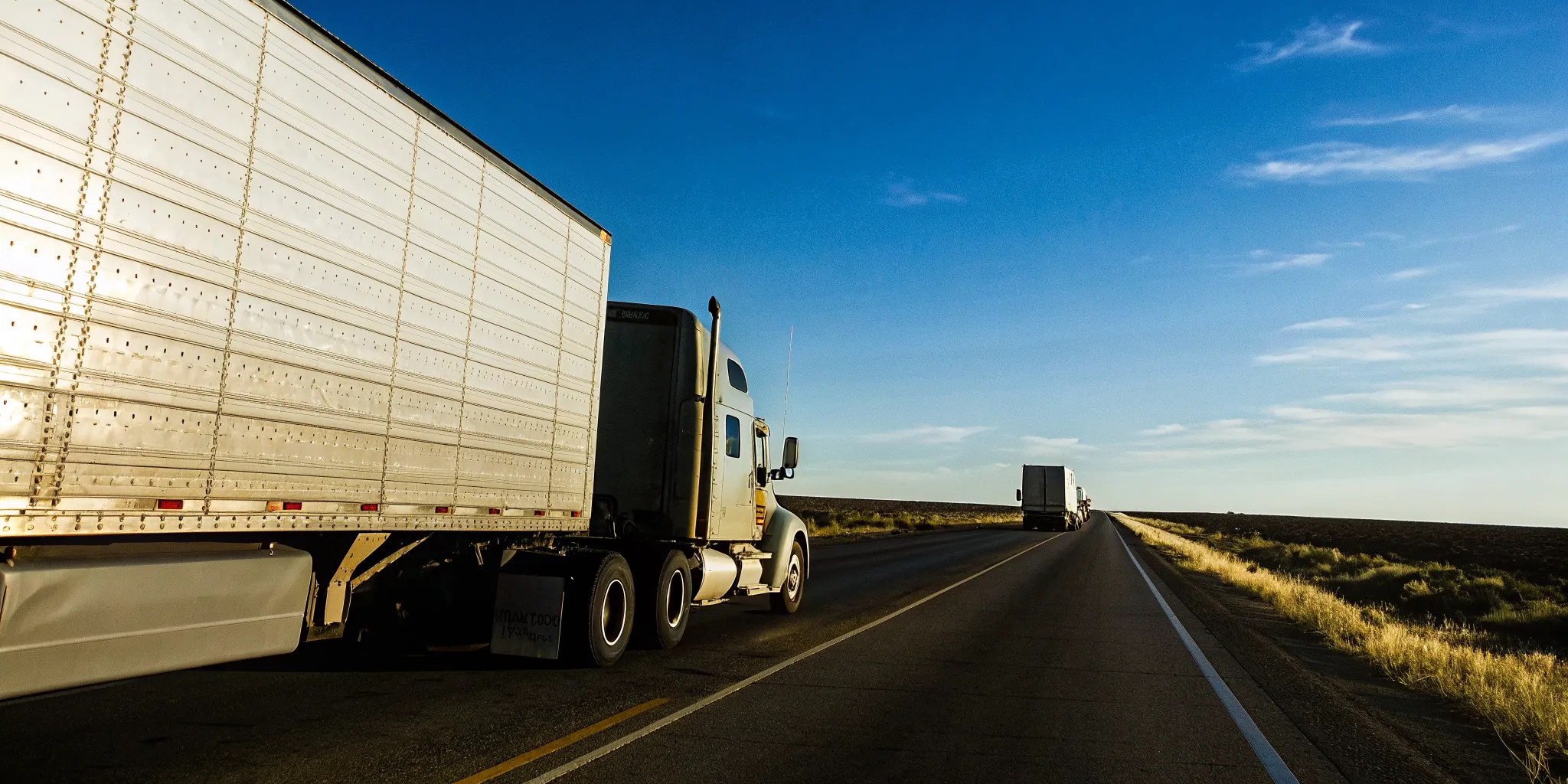
Laredo Texas Freight Crossing: Mexico Manufacturing Gateway
Get a quote to safeguard your critical automotive freight from unexpected delays at the border. The Laredo Texas freight crossing is the vital link that keeps North American manufacturing lines running. For coordinated cross-border planning, explore our logistics management services.
The Laredo Texas freight crossing is the top commercial gateway between the United States and Mexico. It acts as a main link for cross-border trade and factory production. According to the Texas Comptroller, Port Laredo is the busiest land port of entry in the nation, handling over 60 percent of all land trade. This massive hub processes billions of dollars in cargo every year, connecting parts suppliers and assembly plants across North America. To navigate this busy border point, shippers need reliable logistics plans and expert support. You can read more about managing these moves in our cross-border freight operational guide. Partnering with an expert carrier keeps your freight moving without costly delays.
Logistics leaders often ask what makes this single border point so dominant for industrial freight. Knowing why Laredo is the largest US-Mexico trade crossing helps shippers plan more reliable shipping lanes. Each section below shows how the port operates and how Load One helps shippers manage the crossing with confidence.
Get a Quote to discuss your Laredo Texas freight crossing requirements and keep critical supply chains moving on time.
Why Laredo Is the Largest US-Mexico Trade Crossing
Why is Laredo the top land port? Laredo is the busiest gateway for trade because of where it sits and its great roads. The Laredo Texas freight crossing handles 62 percent of land port trade. This trade is worth about $339.7 billion, making the port a key link for supply chains.
The Shortest Trade Route
The city sits at the center of the busiest trade lanes in North America. It is the shortest route between the factory hubs of the US and northern Mexican states. This path saves shippers both time and fuel. In fact, a report shows Port Laredo accounting for 62 percent of all land trade between the two nations.
This gateway links major plants on both sides of the border. Parts made in Mexico can reach US assembly plants in just a few days. This tight loop keeps supply chains running on time.
Special Infrastructure for Heavy Freight
High trade volume needs the right setups to avoid border delays. The city meets this need with bridges built only for large trucks. Shippers should review a cross-border freight operational guide to know these lanes. Using the right path keeps cargo moving without stops.
The Role of the World Trade Bridge
The World Trade Bridge is a key part of this network. The World Trade Bridge is exclusively dedicated to commercial vehicles like diesel trucks. This means freight does not compete with tourist cars for space. As a result, trucks move through customs much faster.
Logistics teams must plan for these flows to avoid peak hours. Proper planning ensures that shipments cross the border without costly delays. Working with a top carrier helps keep your cargo safe.
What Laredo Handles in Cross-Border Freight Volume
The Laredo Texas freight crossing is the busiest land port of entry between the United States and Mexico. This trade gateway handles billions of dollars in cargo each year. Thousands of commercial trucks pass through the region daily to keep North American factory lines moving.
Truck traffic and border volume
Heavy truck traffic defines this corridor. More than six of every ten commercial trucks crossing the Texas-Mexico border in 2024 passed through this region. That means Laredo represents over 60% of all border truck trade. In fact, well over 1,000 commercial trucks cross the border here each day. This steady flow of trucks keeps supply chains moving.
The total value of these shipments is massive. In 2024, the Laredo Region POEs processed a combined total of $380.3 billion in trade value. This huge sum included $143.8 billion in exports and $236.5 billion in imports. These numbers show why shippers focus on this gateway to plan their Laredo logistics and freight crossing needs.
Key commodities and industrial cargo
Many types of cargo move through Laredo, but factory parts lead the way. Car parts, electronics, and consumer items make up most of the freight. These goods feed plants on both sides of the border. Heavy industrial sites rely on these parts to keep their lines running and avoid costly downtime.
Several cargo groups dominate this corridor. Factory parts lead the way.
- Automotive parts and gear for car assembly lines
- Electronic devices, wiring, and metal hardware
- Consumer products and appliances ready for retail shops
These goods cross the border in a constant loop to support plants. Many companies use a just-in-time model. This means any delay at the border can stop a whole assembly line. Logistics managers must work with partners who know how to navigate the busy border lanes. Reliable transit times keep supply chains stable and productive.
How a Dedicated Laredo Facility Changes Cross-Border Operations
Managing a dedicated facility near the Laredo Texas freight crossing streamlines logistics by giving secure staging, quick cross-docking, and constant shipment control. It protects manufacturing production uptime by removing border delays and making sure cargo handoffs are smooth. Having local ground support prevents costly errors and keeps your critical supply chain moving.
Multimodal options for cargo
To keep supply chains moving, you can read our cross-border freight operational guide to see how routing works. Laredo’s local infrastructure supports diverse modes including commercial trucks, rail, air, and passenger traffic. You can find more details in the Texas Department of Transportation report on Laredo crossing infrastructure. A dedicated base makes it easy to switch modes when delays occur, letting freight bypass rail delays or highway blocks.
Economic gains from border trade
Border trade is a major economic force in Texas. In 2024, trade through this port added about $135.2 billion to the Texas Gross Domestic Product. This high volume of goods means the crossing is often busy, which raises the risk of idle trucks. A dedicated local warehouse helps shippers avoid traffic and pre-clear papers. It ensures that critical parts do not get stuck in general lanes.
A direct side-by-side view shows how a dedicated site beats standard options. While public crossings leave loads open to delays, a custom setup provides control at every step. This table outlines the key points that help manufacturers protect their production schedules.
| Service Feature | Dedicated Laredo Operation | General Border Crossings |
|---|---|---|
| Crossing reliability | High; local assets and staging prevent delays. | Low; shipments subject to general port congestion. |
| Customs readiness | Fast; ready loads wait in secure yards. | Slow; customs delays happen at public gates. |
| Multimodal options | Full; links commercial trucks, air, and rail. | Limited; usually restricted to single truck routes. |
| Transit consistency | Stable; steady handoffs protect production uptime. | Unpredictable; traffic and checks cause variance. |
| Visibility | Real-time; 24/7 tracking from dock to door. | Poor; gaps in tracking during border handoff. |
What to Expect When Routing Freight Through Laredo
Routing shipments through Laredo means handling a set of steps that involves brokers, drayage firms, and carriers. Shippers face complex rules and tight schedules at this border point. To keep shipments on time, shippers must plan each step to avoid costly delays at this busy gateway.
Standard cross-border shipment steps
Moving goods across the border follows a strict order to clear customs and transfer freight safely. Shippers must manage five key steps to ensure a smooth flow:
- Filing customs papers: Your broker must file all import and export papers with U.S. and Mexican customs before the truck reaches the border. This step prevents border stops.
- Planning drayage across the bridge: A local drayage driver hauls the trailer across the bridge to transfer it between the two countries. This keeps long-haul drivers on their main routes.
- Checking FAST lane status: Shippers should use pre-approved carriers under the Free and Secure Trade program to use lanes that speed up the crossing. Pre-vetted trucks bypass the main lines.
- Managing inspection windows: The shipment must go through customs checks during set hours to meet rules without stalling the cargo. Missing these windows leads to overnight layovers.
- Securing onward transit: Once cleared, the freight moves to a long-haul truck at a cross-dock yard for final delivery to its end stop. Quick cross-docking keeps your freight on track.
Managing border delays
The Texas Department of Transportation reports that over six in ten border-crossing trucks pass through Laredo. This high volume means shippers must plan for peak congestion. Shippers can use our guide on the Laredo Texas freight crossing to plan routes. To handle delays, work with a skilled carrier that knows cross-border customs requirements. This skill keeps your supply chain moving smoothly. Reliable cross-border partners protect your production uptime.
How the Laredo Texas Freight Crossing Supports Mexico Manufacturing
The Laredo Texas freight crossing is the central hub for trade in North America. Mexico factories rely deeply on this route to move parts for car making and electronics to the United States. This constant flow of goods helps plants keep their assembly lines running on tight schedules.
Just-in-time automotive supply chains
Car builders in Mexico use parts made in both countries. They depend on quick transit to avoid costly shut downs. A delay of just a few hours at the border can stop a whole factory line. Shippers use the Laredo logistics and freight crossing to manage these tight schedules.
The role of nearshoring
Many global firms now move their factories to Mexico. This nearshoring trend puts parts production closer to the buyers, but it only works if the border runs well. Texas state data shows that cross-border manufacturing relies on the Laredo crossing to maintain seamless supply chains. Truck traffic here connects Mexican parts plants straight to American buyers.
Connected factory routes
The main factory cities in Mexico sit along highway routes that lead straight to Texas. Goods made in places like Monterrey or Saltillo move north in a few hours. These items include heavy truck parts, steel, and electronic parts. Expedited trucks can cross and deliver these parts in less than a day.
Logistics teams must plan for customs checks and crossing times. Having a clear path through the border is vital for both supply chains. This setup keeps trade running between the two nations without costly delays.
How Load One Operates From Its Laredo Cross-Border Facility
Load One runs a local cross-border hub in Laredo, Texas. We mix our own trucks with a wide partner network. This setup brings 24/7/365 help and real-time cargo views. Shippers get swift, solid transport that protects plant uptime at each step of the crossing.
Strategic assets at the Texas border
We mix asset-based trucks with a broad partner network. This dual approach gives you the scale of a major third-party freight firm. Auto plants and heavy gear sectors get steady space. We secure truck space and send loads even during peak shipping seasons.
Our Laredo cross-border facility guides complex cargo with secure, on-site support at the border. This local site offers safe parking, quick cross-docking, and trailer staging.
Texas-Mexico trade is huge. In fact, more than six out of ten cargo trucks crossing the Texas-Mexico border pass through this single area. This fact from Texas Department of Transportation sheets shows why local setups are key.
This huge trade flow added over 135 billion dollars to the state wealth. Per the Texas Comptroller reports, Port Laredo trade also supports more than one million net jobs.
Securing production uptime around the clock
Supply chains need constant checks to prevent high-cost plant shutdowns. We offer 24/7/365 care and real-time shipping views to protect your transit pipeline. You can trace key freight at each step and get quick updates from our team.
Our teams use the Laredo logistics and freight crossing guide to bypass border delays. By working with customs brokers and carriers, we keep your cargo moving. This active care ensures that your supply chain stays on track.
Get a Quote to secure a dedicated Laredo cross-border plan and protect your manufacturing production uptime.
Frequently Asked Questions
What are the benefits of using the Laredo Texas freight crossing?
It cuts transit times for cross border supply chains by using special trade bridges. For example, freight trucks use the World Trade Bridge, which is dedicated solely to commercial cargo. Shippers also get access to large storage hubs and highways. These roads connect Mexican factories directly to U.S. markets, making it the best choice for urgent cargo.
How does cross-border logistics work at the Laredo port of entry?
It relies on a three truck process to move freight between countries. First, a Mexican carrier brings the cargo to the border. Next, a transfer driver, or drayage carrier, takes the trailer across the bridge. Finally, a U.S. truck driver picks up the load for final delivery. This method keeps freight moving safely and avoids customs delays.
How much trade passes through the Laredo Texas freight crossing?
According to the Texas Department of Transportation, the region processed 380.3 billion dollars in trade value in 2024. This included 143.8 billion dollars in exports and 236.5 billion dollars in imports. In addition, more than six out of ten commercial trucks crossing the Texas-Mexico border pass through this busy region.
Are you ready to secure and improve your cross-border freight?
Every single hour of delay at the border can halt your busy factory line and cost your company thousands of dollars in lost production time. Without a trusted cross-border shipping partner, simple customs issues or incorrect routing will cause major supply chain bottlenecks that are very hard to resolve promptly. Setting up your routes today with a carrier that runs a local border facility ensures your freight stays on schedule and your operations run smoothly.
Are you ready to contact our team of cross-border logistics experts today to secure your shipments?
Get a Quote to discuss your cross-border freight requirements and protect your production uptime with the Load One team today.