
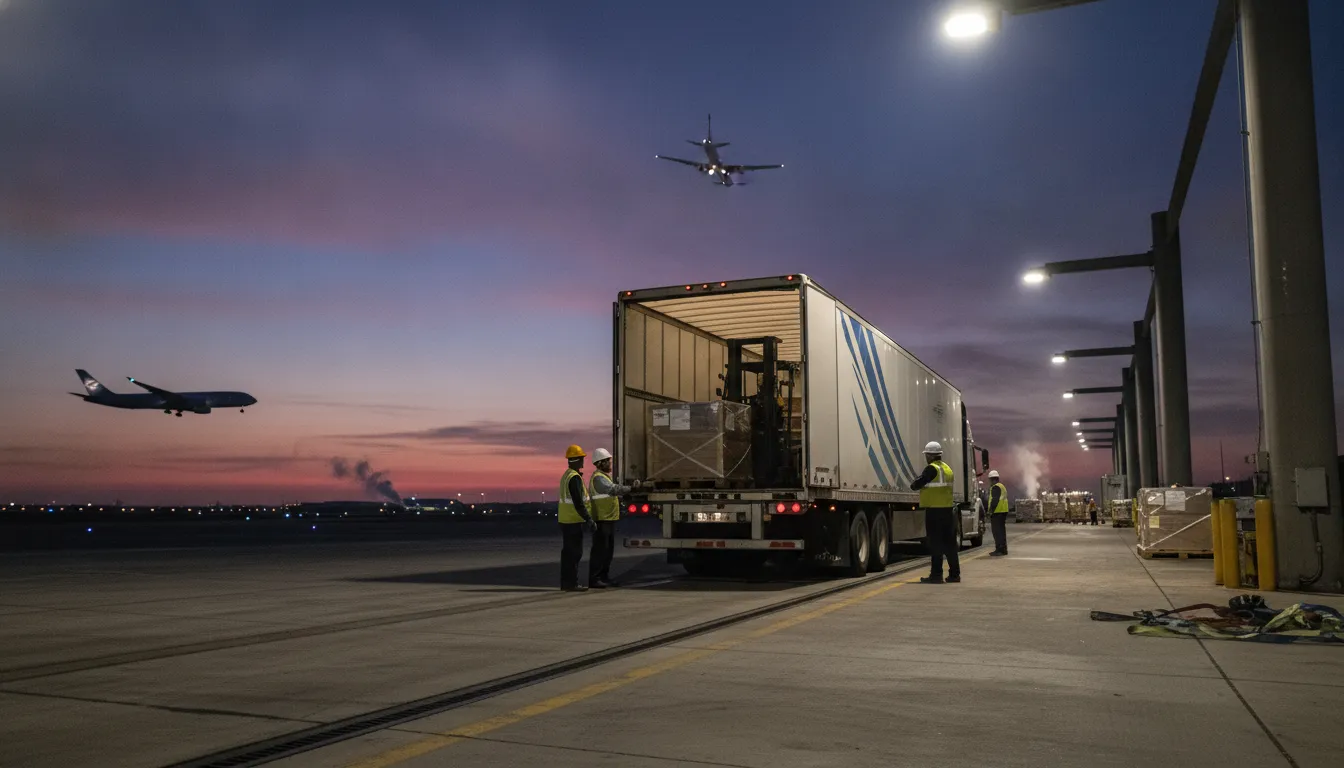
Expedited Shipping: Services, Costs, and When to Use It
When an essential part is late, the real cost is rarely limited to freight. A stopped production line, missed customer commitment, or failed service deadline can cost far more than a premium shipment. Expedited shipping gives logistics teams a direct, time-definite way to move critical freight with fewer handoffs and active visibility.
Get an expedited shipping quote from Load One to compare the fastest practical ground, air, and specialized options for your deadline.
Expedited shipping is a time-critical freight service designed to move urgent cargo on a direct or tightly controlled route. It can use dedicated ground equipment, air freight, charter service, or specialized transport. The right option balances the delivery deadline, shipment requirements, risk of delay, and total business cost.
This decision-focused guide explains when to expedite, what affects cost, how an urgent load moves, and what to expect from a provider available 24/7/365.
Which expedited shipping service fits the shipment?
The best expedited shipping service is the one that meets the deadline without adding unnecessary cost. Dedicated ground works well for direct regional and long-haul moves, air handles the tightest long-distance deadlines, and specialized transport protects oversized, sensitive, or unusually configured freight.
Choosing the best mode for your freight depends on your deadline, as every minute counts when you need to keep a plant running. Expedited shipping is a freight method for rush orders that need fast moves. By matching the service to your cargo, you can avoid line shutdowns. Check the weight, size, and distance before you pick a plan.
Ground expedite for non-stop delivery
Ground expedite is a smart choice for many rush loads, using small vans or straight trucks to move goods fast. Most of these shipments travel non-stop from the pickup point to the door. This means your cargo stays on one truck and does not get moved at a hub. This helps protect fragile items and cuts down on the risk of damage.
For many firms, expedited freight solutions are the backbone of the supply chain. They work well for local trips or mid-range hauls where air travel might not save much time. Load One uses its own fleet to give you more control over your freight. This model helps ensure your items arrive on time and in good shape without extra stops.

Air freight and charter solutions
Sometimes the road is too slow for a true rush, as air freight and charter services move items across the country in hours. It is the best choice for small, high-value items like electronics or line parts. When a standard flight is not fast enough, you can use an air charter for total control. This removes the wait times of a set flight path.
While air travel is fast, it costs more than ground transport. You must weigh the high price against the cost of a delay, such as a plant shutdown. In those cases, the speed of flight is worth the fee. You can learn how ground expedite services help urgent moves when they work with air modes for full service.
Custom transport for unique loads
Not every rush load fits in a van, as some freight is too heavy or too big for a normal truck. Custom transport handles these tough jobs. This may include flatbeds for heavy machines or trucks with cold control for fresh goods. These services require expert drivers and the right gear to move items safely and on time.
Using the right truck is key to a smooth trip. A straight truck with a sleeper unit allows a team of two drivers to keep the truck moving day and night. This keeps your freight on the move without the need for long rest stops. This is a smart way to bridge the gap between ground and air for heavy parts that need to move fast.
| Service Type | Best Speed | Ideal Use | Price | Key Benefit |
|---|---|---|---|---|
| Ground Expedite | 1-2 days | Local rush | Mid-range | No hub stops |
| Air Freight | Same-day | Long trips | High | High speed |
| Air Charter | Hours | Emergencies | Highest | Total control |
| Custom Transport | Varies | Heavy rigs | Quote-based | Special gear |
To pick the right path, start with your needs by thinking about the total weight and distance. Check if the items need special care or must stay cold. Since every shipment is unique, fixed rates do not work well. It is best to get a custom quote for your specific job to ensure you get the best value.
Strong firms use 24/7 centers to track your goods, which gives you peace of mind and real-time data. When you know where your freight is, you can plan your work with trust. Whether you choose ground or air, the goal is to keep your business moving. The right service choice keeps your supply chain ready for any challenge.
What does expedited shipping cost?
Expedited shipping cost depends on distance, equipment, shipment dimensions, deadline, pickup conditions, and available capacity. Providers quote each urgent move individually because a dedicated van, team-driver truck, air freight move, and exclusive charter carry very different operating requirements and risk profiles.
Pricing for expedited shipping is not one-size-fits-all. Every rush order has its own set of needs. For this reason, many firms do not list set rates. Instead, they provide a custom price based on your exact load. This quote-based model ensures you only pay for the speed and space you need. It also reflects the real-time state of the market and the tools needed to move your freight safely.
Distance and route needs
Distance is a main driver of cost. Long hauls cost more than short runs. But the route itself also matters. A trip through a major city may involve more traffic and tolls. A cross-border run might need extra work to clear customs. For example, shipments moving through a Laredo logistics center require precise timing to stay on track.
Weather can also play a role in the price. Bad roads make driving slower and more risky. This can lead to higher costs to ensure the load arrives on time. Firms look at the whole path from start to finish. They check for any spots that might slow down the truck. By doing this, they can give you a fair price for a non-stop run.
Firms also track fuel prices closely. When fuel costs go up, shipping rates often follow. This is usually listed as a fuel surcharge. It helps the firm cover the cost of the trip while keeping the base rate stable. By getting a custom quote, you get a clear view of all these costs upfront. This open view helps you manage your budget while meeting your shipping goals.
Shipment size and equipment needs
The size of your cargo dictates what kind of truck is needed. Small loads might fit in a cargo van. Larger or oddly shaped items may need a straight truck or a tractor-trailer. Each truck type has its own cost to run. For example, a straight truck often has a sleeper unit for long trips. This allows a team of drivers to keep the truck moving without stopping for rest.
Size also affects the price through a rule called DIM weight. This counts the space a box takes up, not just how much it weighs. To find this, you multiply the length, width, and height and divide by a set number. If a package is large but light, you may pay based on its size. This helps firms make the best use of the space on every vehicle.
Speed and handling needs
The deadline is the most key factor. The faster you need the freight to move, the more it will cost. Overnight or same-day runs require quick action from the firm. They must find a truck and driver right away. This rapid response is what makes expedited freight solutions unlike standard freight. Standard shipping often reloads freight at hubs, which saves money but takes more time.
Special handling can also add to the bill. Fragile items or high-value goods may need extra care. This could include pads, straps, or even climate control. Some loads might need a signature upon arrival to keep the goods safe. These steps add layers of safety to the trip. While they may increase the cost, they are vital for guarding your supply chain and keeping factory lines running.
Expedited loads often travel alone on a dedicated truck. This means the driver goes straight from your dock to the end point. There are no stops at hubs to move the freight onto other trucks. This non-stop service removes the risk of damage during reloading. It is the best way to hit a tight deadline. While it costs more than standard shipping, the cost of a line shut down is far higher. Just-in-time manufacturing depends on this speed to keep work moving. Paying for a rush shipment can save you from much larger losses in the long run.
Request a time-critical freight quote and let Load One compare the practical options for your deadline.
When should you use expedited shipping?
Use expedited shipping when the cost of a missed deadline is greater than the premium for faster transportation. Common triggers include production-line shortages, critical replacement parts, service failures, launch deadlines, customer commitments, and freight that needs a direct route with fewer handoffs.
Choosing the right speed for your freight is a big choice. Standard shipping is cheaper, but it takes more time. You must weigh the price of the move against the cost of a delay. Often, the extra cost for fast delivery is much less than the cost of a stopped plant. Many leaders find that speed is the best way to keep their supply chain safe. It helps you avoid big risks and keeps your clients happy.
Prevent production line shutdowns
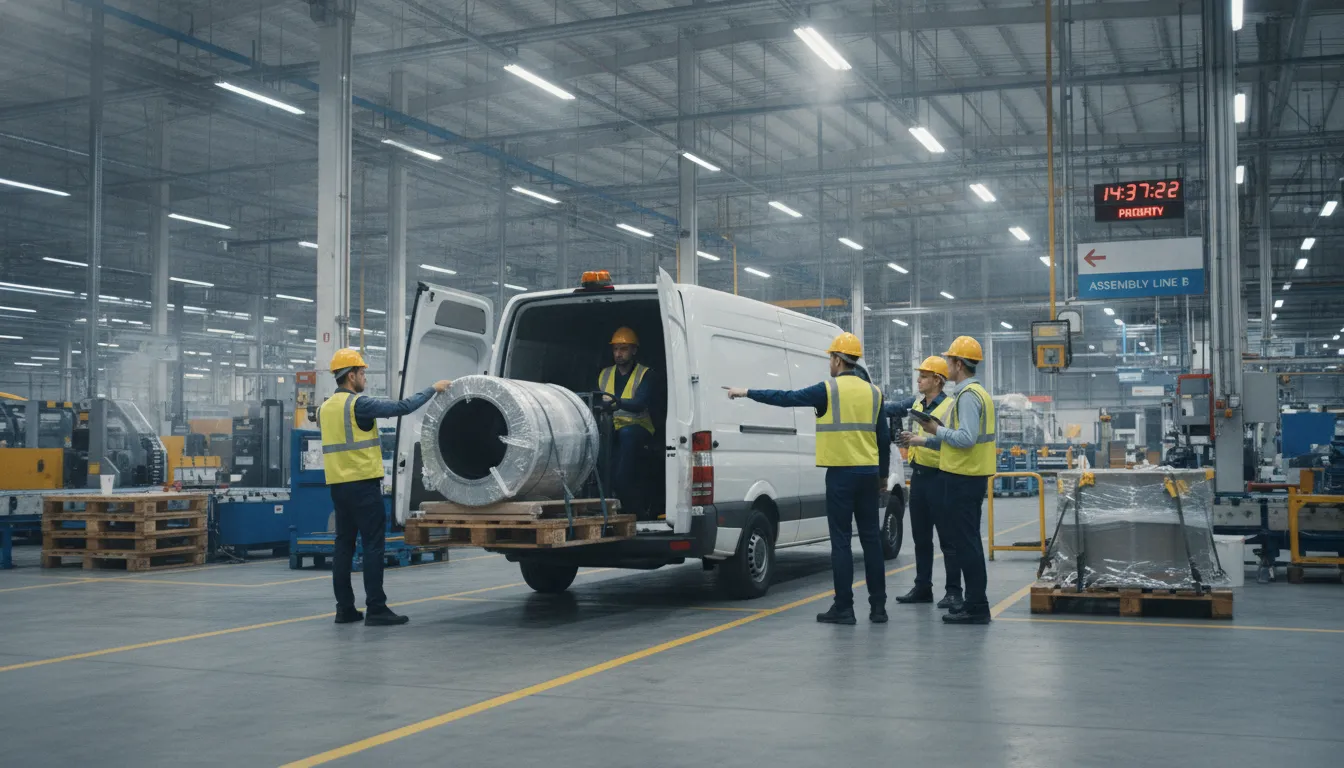
In the world of just-in-time manufacturing, even a small delay can stop a whole line. If a key part is missing, workers cannot do their jobs. This means machines sit idle and time is lost. This lost time can cost a company many thousands of dollars every hour. Using expedited freight solutions ensures that parts arrive exactly when the line needs them. This keeps work moving and protects your bottom line. It is a key move for people in the automotive and heavy equipment fields.
Protecting customer promises
Missing a delivery date can hurt your brand. If you fail to meet a deadline, your customer might lose trust in you. In some cases, you might even face fines for being late. Fast expedited shipping helps you keep your word. It allows you to fix errors fast if a shipment was missed or lost. By choosing speed, you show that you value your client’s time. It is also helpful when you need to send goods across borders, like through a facility in Laredo.
Handling high value or fragile goods
Some items need more care than others. High-value goods like tech parts often need a steady ride. These items go by fast trucks to reduce how much people touch them. Since these trucks often go straight to the goal, the cargo does not get moved between trucks. This lowers the chance of damage or loss. You can choose from cargo vans, sprinter vans, or straight trucks. Each one gives you the right space and speed for your specific needs.
To help you decide, follow these steps to see if the move is worth the cost.
- Check the cost of a delay. Look at how much money you lose if the freight is late. If a line stops or a sale is lost, the cost is high.
- Look for fragile or high-value items. Think about the risk of damage. If your goods are worth a lot, a direct truck is the best way to keep them safe.
- Check your delivery window. See if standard shipping can meet the date. If the window is tight, you need a faster path to be sure.
- Review the need for direct transit. See if your goods can handle being moved between trucks. If they are fragile, choose a service that keeps them on one truck.
- Get a custom price. Reach out to a pro to see the real cost. You can request a quote to get a price that fits your exact needs.
Using this process helps you make the right call for your expedited shipping needs every time. You won’t waste money on speed you don’t need, but you will be ready when it counts. Keeping your freight moving is how you stay ahead of the crowd. It is about protecting your work and making sure your promises are kept.
How does an expedited shipment move from quote to delivery?
An expedited shipment moves through rapid intake, mode selection, capacity assignment, pickup confirmation, active tracking, exception management, and proof of delivery. Accurate shipment details at the start help the provider choose equipment quickly and prevent avoidable delays during transit.
Every minute counts when you need expedited freight solutions to save a plant. The process starts the moment you find a delay in your supply chain. You must act fast to keep your goods moving. This path from the first call to the final drop relies on a tight plan. It uses 24/7 support and smart tracking to ensure success.
To get a right price, you must give clear details about your load. This includes the weight, size, and the exact pickup time. Speed matters, but so does the size of the truck. Expedited shipping often uses smaller vans or straight trucks to move fast without stops. Since every load is special, most firms give a custom quote and not set rates.
Getting a Quote and Choosing the Truck
Once the firm has your data, they pick the best truck for the job. This might be a van for small parts or a big truck for large machines. The goal is to skip the time spent at shipping hubs. By using one truck, your freight stays on that truck from start to finish. This lowers the risk of damage and speeds up the move.
Choosing the truck also changes the price. Expedited freight costs more than standard shipping because of the speed and care. You are paying for a driver who is ready to leave now. You are also paying for a team that tracks the truck every mile. This high level of care helps prevent costly shutdowns at your plant.
Real-Time Tracking and Command Center Work
As soon as you agree to the quote, the firm sends the closest driver to your dock. In many cases, the truck can arrive in less than two hours. The driver picks up the goods and starts the trip right away. They do not stop to pick up other loads for other people. Your freight is the only task for that truck until it reaches the end.
Modern shipping relies on data. A 24/7 command center watches the truck using GPS and smart tools. This team looks for road closures, bad weather, or heavy traffic. They can find a new route if a problem pops up on the road. You can check the status of your load at any time through a secure site. This clear update keeps you informed at every step.
Handling Road Delays and Final Delivery Proof
Even the best plans can face issues on the road. A flat tire or a closed border can slow things down. When this happens, the command center acts fast. They might swap the driver or move the load to a new truck if needed. This quick work helps the driver meet the tight deadline. The team stays in touch with the shipper and the dock team.
Once the truck reaches the end point, the driver unloads the freight. They get a signed proof of delivery right away. This paper is sent to you to show the job is done. The process ends with a full report on the trip time and any issues. This clear trail of data helps you plan better for the next time. You can always Request a Quote for your next rush load.
How can shippers control emergency freight costs?
Shippers control emergency freight costs by sharing complete information early, comparing practical modes, matching equipment to the load, and measuring the cost of delay. A repeatable escalation plan also helps teams approve the right service quickly instead of defaulting to the most expensive option.
Managing emergency logistics requires a balance between speed and cost. While how ground expedite services transform urgent deliveries is clear for keeping plants running, the costs can add up if not managed well. Shippers can keep spend under control by setting clear rules for when to use fast freight.
Set clear rules for use
Many high costs come from using fast shipping for items that do not need it. You should set strict rules for when a team can book expedited shipping services. These rules might focus on the cost of a line shutdown or the value of the goods. By checking if a shipment is truly time-critical, you can avoid paying for speed that adds no real value to the supply chain.
One way to lower costs is to use data to spot trends in your shipping needs. If you find you often need rush help on the same lanes, you might be able to plan better. Using accurate data for every load also helps carriers give you better quotes. Errors in weight or size can lead to extra fees, as shipping costs often change based on the space a package takes up.
Build a network of ready carriers
Waiting until an emergency happens to find a carrier is a recipe for high prices. You should find and vet carriers before you need them. Asset-based carriers often provide more reliable service and clearer pricing than brokers. Having a list of trusted partners means you can get expedited freight solutions at a fair price even when time is short.
Good communication with these partners is key. When you share details early, carriers can find the best vehicle for the job. This might mean using a sprinter van instead of a larger straight truck if the load is small. Using the right sized truck helps you avoid paying for empty space while still getting the speed you need to keep production moving.
Review every rush shipment
Controlling costs does not end when the load arrives. You should review every emergency shipment to find the root cause of the rush. Was it a late order, a machine failure, or a supplier error? Finding these patterns helps you fix the real problem. This turns fast shipping back into a strategic tool for recovery rather than a fix for poor planning.
Post-shipment reviews also let you check if the carrier met your goals. High-quality carriers provide real-time tracking so you can see if your freight stayed on schedule. This data proves the value of the spend and helps you make better choices for the next rush order. By treating each move as a lesson, you can build a more resilient and cost-effective logistics plan.
What should you look for in an expedited shipping provider?
Look for an expedited provider with 24/7/365 response, broad equipment access, real-time visibility, proactive communication, and proven time-critical experience. The provider should explain tradeoffs clearly, manage exceptions actively, and support ground, air, specialized, and cross-border requirements when needed.
Choosing a partner for expedited shipping is a big choice. You need a team that can move fast and keep your cargo safe. A good partner knows that a late load can stop a whole factory. They must be ready to help you at any time of the day or night. You should look for a partner that treats your freight like their own. This helps you keep your work on track and avoid high costs from a shut down.
Constant tracking and support
Your freight does not stop moving when the sun goes down. A top partner should have a hub that is open 24/7/365. This means a real person is always watching your load. They use tools like GPS and AI to find the best paths. If there is a wreck or a storm, they can route the truck a new way. This helps you get your goods on time, even when things go wrong. Quick action is key to a good rush service.
Clear talk is also a must. You should get data on where your freight is at all times. Even small parcel tools like the USPS provide tracking and insurance for their fast shipments. Your large scale partner should offer even more. They should be able to tell you the exact minute your load will arrive. This level of data helps you plan your work and keep your customers happy. It takes the guess work out of the shipping process.
North American shipping skills
Your supply chain may cross many borders. You need a partner that knows the rules for the US, Canada, and Mexico. Look for a team with a strong base in key spots like Laredo, Texas. This helps them move freight through customs fast. They should know how to handle the forms to avoid long waits at the border. A team with deep roots in North America can solve problems before they start. This keeps your goods moving without a stop.
They should also offer plans built for your needs. This might mean using team drivers for long trips. Two drivers can keep a truck moving for more hours without a rest stop. This is vital for urgent loads that must travel a long way. Make sure your partner can grow their work to match your needs. A team that can do it all makes your life much easier. They help you stay ahead of your rivals and keep your word.
- Search for firms with their own trucks for more control.
- Demand 24-hour tracking and real-time data.
- Verify their skills with cross-border shipping.
- Check for a wide range of truck types and sizes.
- Ensure they have a plan for quick rush responses.
Frequently Asked Questions
How fast is expedited shipping?
Transit time depends on distance, pickup readiness, equipment, and mode. Dedicated ground often moves directly with minimal stops, while air freight or charter can serve the tightest long-distance deadlines.
Is expedited shipping always by air?
No. Many expedited shipments move by dedicated cargo van, straight truck, or tractor-trailer. Air freight and charter are options when ground transportation cannot meet the required deadline.
What information is needed for an expedited quote?
Provide pickup and delivery locations, required delivery time, freight dimensions and weight, commodity details, handling requirements, and contact information for both facilities.
Can expedited shipping support cross-border freight?
Yes. Expedited services can support time-critical freight across the United States, Mexico, and Canada when customs, documentation, equipment, and handoff requirements are planned in advance.
Ready to keep your production line on track?
Waiting to move your goods can lead to big problems. A late shipment might stop your work and cost you more money. If you do not act now, you risk missing your main goals and losing the trust of your clients. Starting your expedited freight solutions right away helps you avoid these risks. When you choose a fast shipping plan today, you can stop worrying and protect your daily results. Our team is ready to track your cargo and make sure it gets there on time. Do not let a slow shipping choice hurt your profits. Taking this step now means you can stay busy while we handle the hard work.
Ready to get a quote? Get a Quote to request your shipping plan.